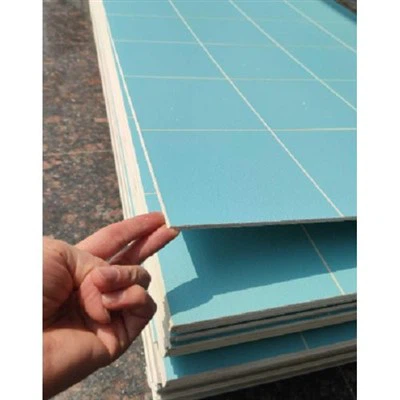
When it comes to interior and exterior wall decoration, two popular options are UV wall panels and stone veneer. As a supplier of UV wall panels, I often get asked about how these two materials compare, especially in terms of weight. In this blog post, I'll delve into the weight differences between UV wall panels and stone veneer, and explore the implications of these differences for various applications.
Understanding the Basics of UV Wall Panels and Stone Veneer
UV wall panels are made from polyvinyl chloride (PVC) with a UV - resistant coating. They come in a wide range of designs, including UV Wood Textured Sheet, UV Marble - patterned Gilded Panel, and Uv Pvc Marble Sheet. These panels are known for their versatility, durability, and ease of installation.
Stone veneer, on the other hand, is a thin layer of natural or artificial stone. Natural stone veneers are cut from real stones such as limestone, granite, or slate, while artificial stone veneers are made from a mixture of cement, aggregates, and pigments to mimic the appearance of natural stone.
Weight Comparison
One of the most significant differences between UV wall panels and stone veneer is their weight. UV wall panels are incredibly lightweight. The weight of a standard UV wall panel typically ranges from 2 to 4 kilograms per square meter, depending on the thickness and design. This low weight makes them easy to handle during installation, even for DIY enthusiasts.
In contrast, stone veneer is much heavier. Natural stone veneers can weigh anywhere from 18 to 35 kilograms per square meter, while artificial stone veneers are slightly lighter, usually weighing between 10 to 20 kilograms per square meter. The heavy weight of stone veneer requires more robust support structures and professional installation.
Implications of Weight Differences
Structural Requirements
The weight of the wall covering material has a direct impact on the structural requirements of the building. Since UV wall panels are lightweight, they place minimal stress on the building's structure. This means that they can be installed on a wider range of surfaces, including existing walls, without the need for extensive structural reinforcement. For example, in older buildings where the walls may not be able to support heavy loads, UV wall panels are an ideal choice.
Stone veneer, due to its heavy weight, requires a strong and stable support structure. In some cases, additional framing or bracing may be necessary to ensure the safety and stability of the installation. This can increase the cost and complexity of the project, especially for large - scale installations.
Installation Ease
The lightweight nature of UV wall panels makes them extremely easy to install. They can be cut with standard tools and attached to the wall using adhesives or mechanical fasteners. This simplicity of installation not only saves time but also reduces labor costs. DIYers can easily take on a project using UV wall panels, as they do not require specialized skills or heavy equipment.
Stone veneer installation, however, is a more labor - intensive process. The heavy weight of the stone requires careful handling and precise installation to ensure a proper fit. Professional installers are often needed to ensure that the stone veneer is installed correctly and safely. This can add to the overall cost of the project.
Transportation and Handling
Transporting and handling UV wall panels is much easier compared to stone veneer. The lightweight panels can be easily carried and loaded onto vehicles, reducing the risk of damage during transportation. Additionally, fewer vehicles are needed to transport a given area of UV wall panels compared to stone veneer, which can result in cost savings on transportation.
Stone veneer, due to its heavy weight, requires special equipment and careful handling during transportation. The risk of damage is higher, and the cost of transportation is also greater.
Applications
Interior Applications
In interior applications, UV wall panels are a popular choice due to their lightweight and ease of installation. They can be used in residential homes, commercial buildings, and even in mobile homes. For example, in a small apartment, UV wall panels can be used to create a stylish accent wall without adding too much weight to the structure.
Stone veneer, while also used in interior applications, is more commonly found in high - end residential and commercial projects where the aesthetic of natural stone is desired. However, its heavy weight may limit its use in some interior spaces, especially those with limited structural support.


Exterior Applications
For exterior applications, both UV wall panels and stone veneer have their advantages. UV wall panels are a great option for exterior walls, as they are weather - resistant and can withstand harsh environmental conditions. Their lightweight nature also makes them suitable for retrofit projects where the existing structure may not be able to support heavy stone veneer.
Stone veneer is often used in exterior applications to give a building a more natural and luxurious look. However, its heavy weight requires careful consideration of the building's foundation and structural integrity.
Cost - Effectiveness
When considering the cost - effectiveness of UV wall panels and stone veneer, the weight factor plays an important role. The lower weight of UV wall panels results in lower transportation costs, easier installation, and reduced structural requirements, all of which contribute to overall cost savings.
Stone veneer, while offering a high - end aesthetic, can be more expensive due to the cost of the material itself, as well as the additional costs associated with transportation, installation, and structural reinforcement.
Conclusion
In conclusion, UV wall panels have a significant advantage over stone veneer in terms of weight. Their lightweight nature makes them easier to handle, install, and transport, and they place less stress on the building's structure. This makes them a cost - effective and versatile option for a wide range of interior and exterior applications.
If you're considering a wall decoration project and are interested in learning more about our UV wall panels, I encourage you to reach out to us for a detailed discussion. We can provide you with samples, pricing information, and professional advice to help you make the best choice for your project.
References
- "Building Materials Handbook" by John A. Hall
- "Interior Design: A Conceptual Approach" by Mary G. Padilla
- Industry reports on UV wall panels and stone veneer from leading market research firms.