1. Environmentally Friendly
Because its primary raw materials are readily available, such as natural stone powder and industrial waste, the production of artificial stone minimizes the impact on natural resources and meets the requirements of sustainable development. Furthermore, waste generated during the production process can be recycled, reducing environmental pollution.
2. Processability
Compared to natural stone, artificial stone is easier to cut, carve, and polish. It can be processed into a variety of complex shapes and delicate surfaces, making it suitable for a variety of high-end decorative materials.
3. Diverse Colors and Textures
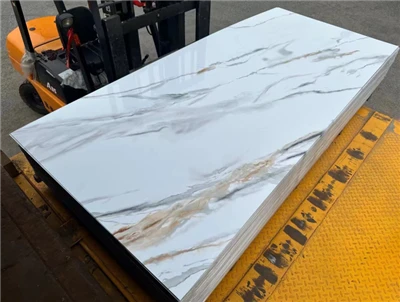
Artificial stone can be customized with a variety of colors and textures through artificial blending, meeting the individual needs of different consumers. This diversity is unmatched by natural stone.
4. Stable Physical Properties
Artificial stone exhibits superior compressive, flexural, and abrasion resistance, and is not easily affected by environmental factors such as temperature and humidity fluctuations. This makes artificial stone more stable in humid environments or those with large temperature fluctuations.
5. Easy Cleaning and Maintenance
The smoothness and impermeability of artificial stone's surface make it less susceptible to stains and easier to clean. At the same time, artificial stone does not require regular wax sealing like some natural stones, so maintenance is relatively simple.