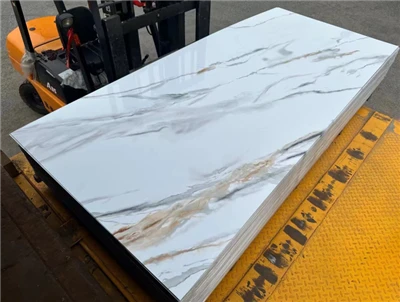
Bamboo carbon sheet is a composite material made from bamboo through a special processing technique. As a fast-growing, renewable resource, bamboo has a low ecological and carbon footprint. Bamboo carbon sheet retains the natural fiber structure of bamboo while enhancing its physical properties through a high-temperature carbonization process.
Difference in Manufacturing Process
In the manufacturing process of bamboo carbon sheet, the bamboo is first cut and dried, then converted into a carbonaceous material through a high-temperature carbonization process. This process preserves the bamboo's fiber structure while removing moisture and other volatile substances, improving the material's stability and durability. Finally, the carbonized bamboo is composited with a resin matrix to form the bamboo carbon sheet.
In comparison, the manufacturing process of traditional carbon boards is more complex. Carbon fibers are woven or layered to form a prepreg, which is then laminated with a resin matrix under high temperature and pressure. During this process, the arrangement of the carbon fibers and the choice of resin matrix significantly influence the final material's performance.
Comparison of Environmental Performance
Bamboo carbon boards offer significant environmental advantages. As a renewable resource, bamboo has a short growth cycle and a low ecological footprint. Furthermore, the manufacturing process of bamboo carbon boards produces minimal waste and is recyclable, reducing negative environmental impacts.
While traditional carbon boards also possess high strength and modulus, the carbon fibers and resin matrices used in their manufacturing are often non-degradable, placing a certain strain on the environment. Furthermore, the high energy consumption of carbon fiber production also increases their environmental burden.
Applications and Future Prospects
Due to their unique environmental characteristics and sustainable development advantages, bamboo carbon boards have broad application prospects in areas such as construction, furniture, automotive, and sporting goods. For example, in the construction industry, bamboo carbon boards can be used to create lightweight partitions, flooring, and decorative materials. In the furniture industry, they can be made into tables, chairs, beds, and cabinets with unique textures and textures. In the automotive industry, they can replace traditional plastics and metals as interior materials and structural components.