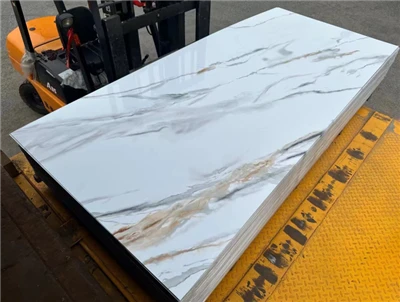
Polyvinyl chloride (PVC) is naturally translucent and glossy with a slightly yellowish color. Its transparency is better than that of polyethylene and polypropylene, but worse than that of polystyrene. Depending on the amount of additives used, PVC is categorized into soft and hard PVC. Soft PVC is flexible and tough, with a sticky feel. Hard PVC is harder than low-density polyethylene (LDPE), but less so than polypropylene, and may show whitening at bends. Common products include sheets, pipes, shoe soles, toys, doors and windows, electrical wiring, and stationery. It is a polymer material in which a chlorine atom replaces one hydrogen atom in polyethylene.
PVC sheet is made by calendering and laminating polyvinyl chloride resin with stabilizers and other auxiliary materials. It offers excellent corrosion resistance, insulation, temperature resistance, and impact resistance. It is also strong and easily processed, and can be sawed, drilled, and planed. It is widely used as an acid-resistant and corrosion-resistant structural material in the chemical, fertilizer, construction, electroplating, and environmental water purification industries. The surface is smooth and flat, free of bubbles and cracks. It is generally gray, but can be customized to suit your color.