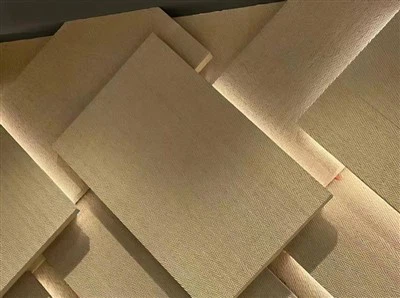
As a supplier of flexible stone panels, I often encounter inquiries from customers about whether they can add coatings to these panels. This question is not only relevant to the aesthetic appeal of the panels but also to their functionality and durability. In this blog post, I will delve into the topic, exploring the possibilities, considerations, and potential benefits of adding coatings to flexible stone panels.
Understanding Flexible Stone Panels
Before discussing coatings, it's essential to understand what flexible stone panels are. These panels are a revolutionary building material that combines the beauty of natural stone with the flexibility and ease of installation of synthetic materials. They are made from a mixture of natural stone powder, resin, and other additives, which are then formed into thin, lightweight sheets. Flexible stone panels are available in a variety of colors, patterns, and textures, making them a versatile choice for both interior and exterior applications.
Some of the popular types of flexible stone panels include Flexible Marble Wall Panels, Flexible Stone Veneers, and Bendable Faux Stone Panels. These panels can be used to create stunning visual effects on walls, floors, countertops, and other surfaces.
Can You Add Coatings to Flexible Stone Panels?
The short answer is yes, you can add coatings to flexible stone panels. However, there are several factors to consider before doing so. The type of coating, the application method, and the compatibility with the panel material are all crucial aspects that need to be carefully evaluated.
Types of Coatings
There are various types of coatings available for flexible stone panels, each with its own set of properties and benefits. Some of the common types include:
- Protective Coatings: These coatings are designed to enhance the durability and resistance of the panels to scratches, stains, and UV rays. They can also provide a barrier against moisture and prevent the growth of mold and mildew.
- Decorative Coatings: Decorative coatings are used to change the appearance of the panels, adding color, texture, or a special finish. They can be used to create a unique look that matches the design aesthetic of the project.
- Anti-Slip Coatings: Anti-slip coatings are applied to the surface of the panels to increase traction and reduce the risk of slips and falls. They are particularly useful for areas such as bathrooms, kitchens, and outdoor walkways.
Application Method
The application method of the coating is also an important consideration. Some coatings can be applied using a brush, roller, or spray gun, while others may require specialized equipment or professional installation. It's important to follow the manufacturer's instructions carefully to ensure proper application and adhesion.
Compatibility
Not all coatings are compatible with flexible stone panels. Some coatings may react with the panel material, causing discoloration, peeling, or other damage. Before applying a coating, it's important to test it on a small, inconspicuous area of the panel to ensure compatibility.
Benefits of Adding Coatings to Flexible Stone Panels
Adding coatings to flexible stone panels can offer several benefits, including:


- Enhanced Durability: Protective coatings can help to extend the lifespan of the panels by protecting them from wear and tear, scratches, and stains.
- Improved Aesthetics: Decorative coatings can enhance the appearance of the panels, adding color, texture, or a special finish that can transform the look of a space.
- Increased Safety: Anti-slip coatings can reduce the risk of slips and falls, making the panels a safer choice for areas where there is a risk of moisture or spills.
- Easy Maintenance: Some coatings can make the panels easier to clean and maintain, reducing the time and effort required to keep them looking their best.
Considerations Before Adding Coatings
Before adding a coating to flexible stone panels, it's important to consider the following factors:
- Panel Material: Different types of flexible stone panels may have different surface properties and chemical compositions, which can affect the compatibility of the coating. It's important to choose a coating that is specifically designed for use with flexible stone panels.
- Environmental Conditions: The environmental conditions in which the panels will be installed can also affect the performance of the coating. For example, if the panels will be exposed to high levels of sunlight or moisture, a coating that is resistant to UV rays and water may be required.
- Application Method: The application method of the coating can also affect the final result. Some coatings may require multiple coats or a specific application technique to achieve the desired effect.
- Cost: Adding a coating to flexible stone panels can increase the cost of the project. It's important to consider the cost of the coating, as well as the cost of application, when making a decision.
Conclusion
In conclusion, adding coatings to flexible stone panels can be a great way to enhance their durability, aesthetics, and functionality. However, it's important to carefully consider the type of coating, the application method, and the compatibility with the panel material before making a decision. By following the manufacturer's instructions and testing the coating on a small area first, you can ensure a successful application and a beautiful, long-lasting result.
If you're interested in learning more about flexible stone panels or adding coatings to them, please don't hesitate to contact us. We're a leading supplier of flexible stone panels and can provide you with the information and support you need to make the right choice for your project.
References
- Manufacturer's guidelines for flexible stone panels
- Coating manufacturer's specifications and instructions