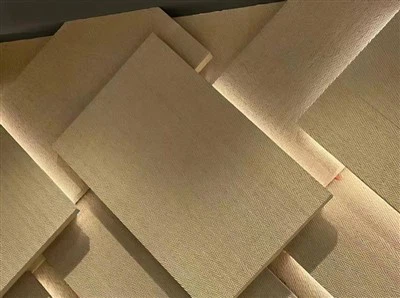
Waterproof WPC (Wood Plastic Composite) flooring has gained significant popularity in recent years due to its durability, low maintenance, and aesthetic appeal. As a supplier of Waterproof WPC Flooring, I am often asked about how this remarkable product is made. In this blog post, I will take you through the manufacturing process of waterproof WPC flooring, from raw materials to the finished product.
Raw Materials
The first step in making waterproof WPC flooring is to gather the necessary raw materials. The primary components of WPC flooring are wood flour, plastic resin, and various additives.
- Wood Flour: Wood flour is obtained by grinding wood waste, such as sawdust and wood chips, into a fine powder. It provides the natural look and feel of wood to the WPC flooring. The type of wood used can vary, but common choices include pine, oak, and maple.
- Plastic Resin: The plastic resin used in WPC flooring is typically polyethylene (PE), polypropylene (PP), or polyvinyl chloride (PVC). These plastics provide the waterproof and durable properties of the flooring. The choice of plastic resin depends on the desired characteristics of the final product, such as strength, flexibility, and resistance to UV radiation.
- Additives: Various additives are added to the mixture to enhance the performance and appearance of the WPC flooring. These additives may include stabilizers, lubricants, pigments, and fire retardants. Stabilizers help to prevent the degradation of the plastic resin due to heat and UV radiation, while lubricants improve the flow of the mixture during the manufacturing process. Pigments are used to give the flooring its desired color, and fire retardants are added to make the flooring resistant to fire.
Mixing and Compounding
Once the raw materials are gathered, they are mixed together in a high - speed mixer. The wood flour, plastic resin, and additives are combined in specific proportions to achieve the desired properties of the WPC flooring. The mixing process is crucial as it ensures that the components are evenly distributed throughout the mixture.
During the mixing process, the temperature and speed of the mixer are carefully controlled to prevent overheating and ensure a homogeneous mixture. After the mixing is complete, the compound is transferred to an extruder.
Extrusion
Extrusion is the process of shaping the WPC compound into the desired form. The compound is fed into an extruder, which consists of a screw that rotates inside a heated barrel. As the screw rotates, it pushes the compound through a die, which gives the flooring its shape.
The die is designed to produce the specific profile of the WPC flooring, such as planks or tiles. The extruded WPC flooring is then cooled using a water bath or air cooling system to solidify the shape. The cooling process is important to ensure that the flooring retains its shape and dimensional stability.
Surface Treatment
After extrusion, the WPC flooring undergoes a surface treatment to enhance its appearance and performance. There are several surface treatment methods available, including embossing, laminating, and painting.
- Embossing: Embossing is a process where a pattern is pressed onto the surface of the WPC flooring to mimic the texture of real wood. This gives the flooring a more natural and realistic look.
- Laminating: Laminating involves applying a protective layer, such as a wear - resistant film or a decorative layer, to the surface of the WPC flooring. This layer helps to protect the flooring from scratches, stains, and UV radiation.
- Painting: Painting is another option for surface treatment. It can be used to add color and finish to the WPC flooring. The paint used should be specifically formulated for WPC materials to ensure good adhesion and durability.
Quality Control
Quality control is an essential part of the manufacturing process of waterproof WPC flooring. At every stage of production, the flooring is inspected for defects, such as cracks, warping, and uneven surfaces. The physical and mechanical properties of the flooring, such as strength, water resistance, and fire resistance, are also tested to ensure that they meet the required standards.
Applications of Waterproof WPC Flooring
Waterproof WPC flooring is a versatile product that can be used in a variety of applications.
- Indoor Use: It is an excellent choice for indoor spaces, such as kitchens, bathrooms, and basements, where moisture is a concern. The waterproof properties of the WPC flooring make it resistant to water damage, mold, and mildew.
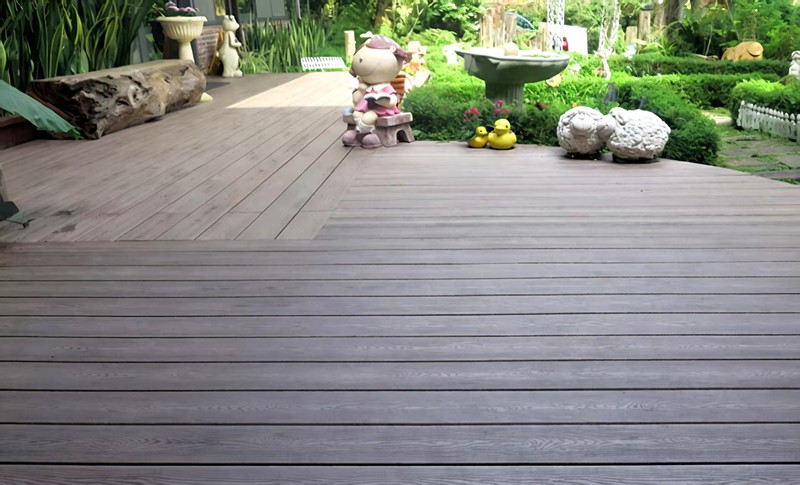
- Outdoor Use: Outdoor WPC Flooring is designed to withstand the elements, including sunlight, rain, and snow. It is commonly used for decks, patios, and pool areas.
- Fire - Retardant Applications: Fire retardant outdoor flooring is suitable for areas where fire safety is a concern, such as public buildings and commercial spaces.
Advantages of Waterproof WPC Flooring
- Water Resistance: As the name suggests, waterproof WPC flooring is highly resistant to water. This makes it ideal for areas prone to moisture, such as bathrooms and kitchens.
- Durability: WPC flooring is more durable than traditional wood flooring. It is resistant to scratches, dents, and fading, making it a long - lasting option for both indoor and outdoor use.
- Low Maintenance: Unlike wood flooring, WPC flooring does not require regular sanding, staining, or sealing. It can be easily cleaned with a damp mop or a mild cleaning solution.
- Eco - Friendly: WPC flooring is made from recycled materials, such as wood waste and plastic, making it an environmentally friendly choice.
Contact for Purchase and Negotiation
If you are interested in purchasing waterproof WPC flooring for your project, we would be more than happy to discuss your requirements. Our team of experts can provide you with detailed information about our products, including specifications, pricing, and installation guidelines. Whether you need flooring for a small residential project or a large commercial development, we have the right solution for you. Please reach out to us to start the procurement negotiation process.

References
- "Wood - Plastic Composites: Manufacturing, Properties, and Applications" by J. K. Pandey and R. K. Singh
- "Handbook of Wood Chemistry and Wood Composites" edited by R. Rowell, J. Han, and J. Youngquist