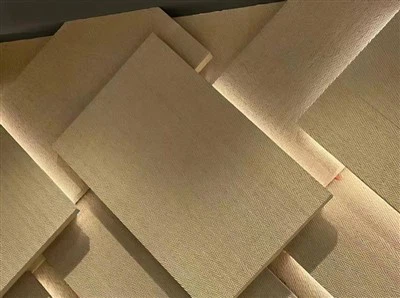
As a provider of Fire-rated WPC Flooring, one of the most frequently asked questions I encounter is, "How long does fire-rated WPC flooring last?" This is a crucial question for both residential and commercial customers, as the longevity of flooring directly impacts the cost - effectiveness and overall satisfaction of a project. In this blog, I'll delve into the factors that influence the lifespan of fire - rated WPC flooring and provide a realistic estimate of how long you can expect it to last.
Understanding Fire - rated WPC Flooring
Before we discuss its lifespan, let's briefly understand what fire - rated WPC flooring is. Fire - rated WPC (Wood - Plastic Composite) flooring is a type of flooring material that combines wood fibers and plastic polymers. It is designed to meet specific fire safety standards, which makes it an ideal choice for areas where fire protection is a concern, such as commercial buildings, public spaces, and even some residential applications. You can learn more about Fire-rated WPC Flooring on our website.
Factors Affecting the Lifespan of Fire - rated WPC Flooring
1. Quality of Materials
The quality of the raw materials used in the production of fire - rated WPC flooring is a fundamental factor. High - quality wood fibers and plastic polymers are more resistant to wear, moisture, and other environmental factors. For instance, if the plastic component has a high UV - resistance, the flooring will be less likely to fade or degrade when exposed to sunlight. At our company, we source the best materials to ensure the durability of our fire - rated WPC flooring.
2. Installation
Proper installation is crucial for the long - term performance of fire - rated WPC flooring. If the flooring is not installed correctly, it can lead to issues such as gaps, uneven surfaces, and premature wear. Our installation team is highly trained to ensure that the flooring is installed according to the manufacturer's specifications, which maximizes its lifespan.
3. Usage and Traffic
The amount of foot traffic and the type of usage the flooring will endure significantly affect its lifespan. In high - traffic areas such as commercial hallways or public buildings, the flooring will experience more wear and tear compared to a low - traffic residential room. For example, a Office Divider Screen area may have moderate traffic, while a busy shopping mall floor will face much higher stress.
4. Maintenance
Regular maintenance is essential for extending the lifespan of fire - rated WPC flooring. Simple tasks like sweeping, mopping with a mild cleaner, and avoiding the use of abrasive cleaning agents can go a long way. Additionally, protecting the flooring from sharp objects and heavy furniture can prevent scratches and dents.


5. Environmental Conditions
Environmental factors such as humidity, temperature, and exposure to chemicals can impact the flooring. High humidity levels can cause the wood fibers in the WPC flooring to swell, while extreme temperature changes can lead to expansion and contraction. Chemical spills, if not cleaned promptly, can also damage the flooring surface.
Realistic Lifespan Estimates
Residential Use
In a residential setting with normal foot traffic and proper maintenance, fire - rated WPC flooring can last anywhere from 15 to 25 years. This is because the traffic is generally lower compared to commercial spaces, and the environmental conditions are more controlled. For example, in a living room or a bedroom, the flooring is less likely to be exposed to heavy loads or harsh chemicals.
Commercial Use
In commercial applications, the lifespan of fire - rated WPC flooring can range from 10 to 20 years. High - traffic areas may require replacement after 10 - 15 years, while areas with moderate traffic can last up to 20 years. For instance, a restaurant may need to replace the flooring every 10 - 12 years due to the constant movement of tables, chairs, and customers, while an office with a more sedentary workforce may see the flooring last closer to 20 years.
Comparing Fire - rated WPC Flooring with Other Flooring Types
Compared to Traditional Wood Flooring
Traditional wood flooring can be more prone to damage from moisture and pests. Fire - rated WPC flooring, on the other hand, is more resistant to these issues, which generally gives it a longer lifespan in many environments. Wood flooring may need to be refinished or replaced after 10 - 15 years in a high - traffic area, while fire - rated WPC flooring can last longer under similar conditions.
Compared to Carpet
Carpet is often less durable than fire - rated WPC flooring, especially in high - traffic areas. Carpet can stain easily, and it may need to be replaced every 5 - 10 years. Fire - rated WPC flooring is more resistant to stains and is easier to clean, making it a better long - term option.
Tips to Extend the Lifespan of Fire - rated WPC Flooring
Regular Cleaning
Sweep or vacuum the flooring regularly to remove dirt and debris. Use a mild cleaner and a soft - mop for wet cleaning. Avoid using abrasive cleaners or scrubbers that can damage the surface.
Protect from Heavy Objects
Use furniture pads under heavy furniture to prevent scratches and dents. When moving heavy objects, lift them instead of dragging them across the floor.
Control the Environment
Maintain a stable humidity level in the room to prevent the flooring from swelling or shrinking. If possible, use curtains or blinds to reduce direct sunlight exposure, which can cause fading.
Conclusion
In conclusion, the lifespan of fire - rated WPC flooring can vary depending on several factors, but with proper installation, maintenance, and usage, it can provide long - lasting performance. In residential settings, it can last 15 - 25 years, while in commercial applications, it can last 10 - 20 years. At our company, we are committed to providing high - quality fire - rated WPC flooring that meets the needs of our customers. If you are interested in purchasing fire - rated WPC flooring or need more information, please visit our website or contact us for a free consultation. You can also explore our WPC Flooring Indoor options for your specific needs.
References
- "Wood - Plastic Composites: Materials, Processing, and Products" by X. Cai and R. Rowell
- "Flooring Installation and Maintenance Guide" by the National Flooring Contractors Association