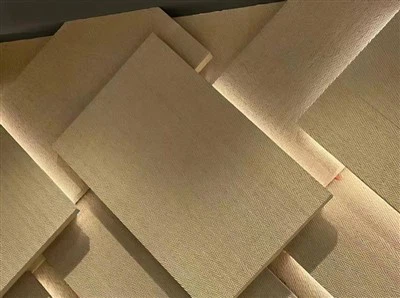
As a supplier of PVC panels, I often get asked about the anti - static property of these versatile products. In this blog post, I'll delve into what anti - static property means for PVC panels, why it matters, and how our products stand out in this regard.
Understanding Anti - Static Property
Static electricity is a common phenomenon that we encounter in our daily lives. It occurs when there is an imbalance of electric charges on the surface of an object. When two materials come into contact and then separate, electrons can be transferred from one material to the other, leaving one material positively charged and the other negatively charged. This charge imbalance can lead to static electricity build - up.
In the context of PVC panels, an anti - static property refers to the ability of the panels to resist the build - up of static electricity on their surface. When PVC panels have good anti - static properties, they are less likely to attract dust, dirt, and other small particles. This is because static charges on the surface of regular panels act like magnets, pulling in these unwanted substances.
Why Anti - Static Property Matters for PVC Panels
Hygiene and Cleanliness
In many environments, such as hospitals, laboratories, and food processing facilities, maintaining a clean and hygienic space is of utmost importance. Dust and dirt can carry bacteria, viruses, and other contaminants. PVC panels with anti - static properties are less likely to accumulate these particles, making them easier to clean and helping to maintain a cleaner environment. For example, in a hospital ward, anti - static PVC wall panels can reduce the risk of cross - contamination by minimizing the amount of dust and germs that settle on the walls.
Aesthetics
Dusty and dirty panels can quickly ruin the appearance of a space. Whether it's an office, a retail store, or a residential building, clean and fresh - looking PVC panels contribute to a more inviting and professional atmosphere. Anti - static panels stay cleaner for longer, ensuring that the aesthetic appeal of the installation remains intact over time.
Equipment Protection
In some industrial settings, static electricity can pose a threat to sensitive electronic equipment. A sudden discharge of static electricity can damage electronic components, leading to costly repairs and downtime. Using anti - static PVC panels in areas where electronic equipment is present can help to prevent static - related damage.
How Our PVC Panels Achieve Anti - Static Property
At our company, we use advanced manufacturing techniques to ensure that our PVC panels have excellent anti - static properties. One of the key methods we employ is the incorporation of anti - static additives during the production process. These additives work by reducing the surface resistance of the PVC panels, allowing any static charges to dissipate more easily.


We also conduct rigorous testing on our panels to ensure that they meet the highest standards of anti - static performance. Our quality control team uses specialized equipment to measure the surface resistance of the panels and verifies that they fall within the acceptable range for anti - static materials.
Applications of Our Anti - Static PVC Panels
Commercial Spaces
In commercial buildings such as offices, shopping malls, and restaurants, our anti - static PVC panels are an ideal choice for wall and ceiling cladding. They not only provide a clean and modern look but also help to maintain a hygienic environment. For example, in a shopping mall, the anti - static property of the panels reduces the amount of dust that settles on the walls, creating a more pleasant shopping experience for customers.
Industrial Facilities
Industrial environments often require durable and functional building materials. Our anti - static PVC panels are suitable for use in factories, warehouses, and cleanrooms. In a cleanroom, where even the smallest particle can contaminate the production process, the anti - static property of the panels is crucial for maintaining a controlled environment.
Residential Buildings
In homes, our anti - static PVC panels can be used in various rooms, such as kitchens, bathrooms, and bedrooms. In the kitchen, they can resist the build - up of grease and dust, making them easy to clean. In the bedroom, they contribute to a cleaner and more comfortable sleeping environment.
Our Product Range with Anti - Static Property
We offer a wide range of PVC panels with anti - static properties to meet the diverse needs of our customers. Some of our popular products include:
- Prefinished Wood Veneer Panels: These panels combine the natural beauty of wood veneer with the durability and anti - static property of PVC. They are perfect for creating a warm and inviting atmosphere in residential and commercial spaces.
- Bamboo Charcoal Fiber Board: Our bamboo charcoal fiber boards not only have anti - static properties but also offer excellent moisture - resistance and sound - insulation. They are a great choice for areas where humidity and noise are concerns.
- Waterproof SPC Flooring: This flooring option is not only waterproof but also has anti - static features. It is suitable for high - traffic areas such as hallways, kitchens, and bathrooms, where cleanliness and durability are essential.
Conclusion
The anti - static property of PVC panels is a crucial feature that offers numerous benefits in terms of hygiene, aesthetics, and equipment protection. As a leading supplier of PVC panels, we are committed to providing high - quality products with excellent anti - static performance. Our wide range of products, including Prefinished Wood Veneer Panels, Bamboo Charcoal Fiber Board, and Waterproof SPC Flooring, are designed to meet the diverse needs of our customers in different industries and applications.
If you are interested in learning more about our anti - static PVC panels or would like to discuss your specific requirements, please feel free to get in touch with us. We look forward to working with you to find the perfect PVC panel solution for your project.
References
- ASTM International. (20XX). Standard test methods for surface resistivity of electrical insulating materials.
- ISO. (20XX). International standard for anti - static materials in cleanroom environments.
- Industry research reports on the performance and applications of PVC panels.