Hey there! As a supplier of SPC flooring, I often get asked about what goes into making this popular flooring option. So, I thought I'd break down the chemical composition of SPC flooring for you all.
The Basics of SPC Flooring
SPC stands for Stone Plastic Composite. It's a type of rigid core vinyl flooring that has gained a lot of popularity in recent years. It's known for its durability, water - resistance, and eco - friendliness. But what exactly is it made of?
The Key Components
1. Calcium Carbonate
Calcium carbonate ($CaCO_3$) is one of the main ingredients in SPC flooring. It's a naturally occurring compound that can be found in rocks like limestone, marble, and chalk. In SPC flooring, calcium carbonate acts as a filler. It makes up a significant portion of the core, usually around 60 - 70%.
Why is calcium carbonate so important? Well, it gives the flooring its rigidity. This is crucial because it helps the flooring maintain its shape and resist dents and scratches. It also makes the flooring more stable, which is great for areas with heavy foot traffic. Plus, calcium carbonate is relatively inexpensive and abundant, making it a cost - effective choice for manufacturers.
2. Polyvinyl Chloride (PVC)
Polyvinyl chloride, or PVC, is another major component. PVC is a synthetic plastic polymer that's widely used in many industries. In SPC flooring, PVC forms the matrix that holds all the other components together. It makes up about 20 - 30% of the core.
PVC is known for its durability and flexibility. It provides a waterproof barrier, which is one of the main selling points of SPC flooring. You can install it in areas prone to moisture, like bathrooms, kitchens, and basements, without worrying about water damage. It's also resistant to chemicals, stains, and abrasions, making it a long - lasting flooring option.
3. Plasticizers
Plasticizers are added to the PVC to make it more flexible. They're usually organic compounds that are mixed with the PVC during the manufacturing process. The amount of plasticizers used can vary, but it's typically around 5 - 10%.
These plasticizers work by reducing the intermolecular forces between the PVC molecules. This allows the PVC to bend and stretch without breaking. In SPC flooring, this flexibility is important because it makes the flooring easier to install. It can be cut and shaped to fit different spaces, and it can also adapt to minor irregularities in the subfloor.
4. Stabilizers
Stabilizers are used to prevent the PVC from degrading over time. PVC can break down when exposed to heat, light, or certain chemicals. Stabilizers help to protect the PVC and extend the lifespan of the flooring.
There are different types of stabilizers, such as lead - based, calcium - zinc based, and organic stabilizers. In recent years, there has been a shift towards using more eco - friendly stabilizers, like calcium - zinc based ones. These stabilizers are safer for the environment and human health. They're usually added in small amounts, around 1 - 3%.


5. Pigments
Pigments are what give SPC flooring its color. They can be either organic or inorganic compounds. Organic pigments are often used for bright and vivid colors, while inorganic pigments are more commonly used for earthy tones.
The amount of pigments used depends on the desired color and shade. They're added to the PVC mixture during the manufacturing process to ensure an even distribution of color throughout the flooring. This allows manufacturers to create a wide range of colors and patterns to suit different design preferences.
The Wear Layer
In addition to the core, SPC flooring also has a wear layer on top. This layer is typically made of a clear PVC film that's coated with aluminum oxide or other abrasion - resistant materials.
The wear layer provides an extra level of protection for the flooring. It helps to prevent scratches, scuffs, and stains from everyday use. The thickness of the wear layer can vary, but a thicker wear layer generally means better durability. For residential applications, a wear layer of 0.2 - 0.5 mm is usually sufficient, while commercial applications may require a wear layer of 0.7 - 1.0 mm or more.
The Backing Layer
Some SPC flooring also has a backing layer. This layer is usually made of a foam or felt material that provides additional cushioning and sound insulation. It can help reduce noise from footsteps and make the flooring more comfortable to walk on.
Benefits of the Chemical Composition
The combination of these components gives SPC flooring several benefits. As I mentioned earlier, it's waterproof, which is great for areas with moisture. It's also very durable, able to withstand heavy foot traffic and resist scratches and stains.
Moreover, Eco - friendly SPC Flooring is becoming more and more popular. With the use of calcium carbonate and eco - friendly stabilizers, it has a relatively low environmental impact compared to some other flooring options. And because it's long - lasting, you won't have to replace it as often, which also reduces waste.
Applications
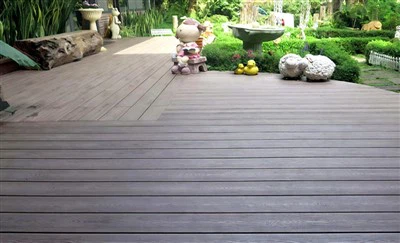
Thanks to its chemical composition, SPC flooring can be used in a variety of settings. You can use Waterproof SPC Flooring in residential homes, especially in areas like kitchens, bathrooms, and laundry rooms. It's also a great choice for commercial spaces, such as offices, retail stores, and restaurants.
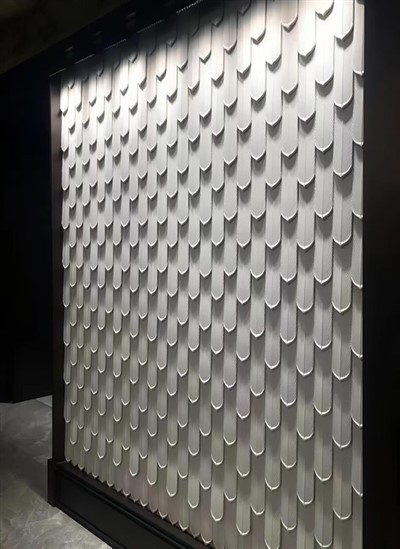
In addition, if you're looking for a unique wall covering option, Aluminum Honeycomb Wall Panels made with similar technology can add a modern and stylish touch to your interior design.
Conclusion
So, there you have it! That's the chemical composition of SPC flooring. The combination of calcium carbonate, PVC, plasticizers, stabilizers, and pigments gives it the rigidity, flexibility, durability, and waterproofing properties that make it such a popular choice.
If you're in the market for new flooring, I encourage you to consider SPC flooring. Whether you're a homeowner looking to upgrade your living space or a business owner in need of a durable flooring solution, SPC flooring has a lot to offer. And as a supplier, I'm here to help you find the perfect SPC flooring for your needs. Don't hesitate to reach out if you have any questions or if you're interested in purchasing. Let's start a conversation about how we can make your space look great with SPC flooring!
References
- "Vinyl Flooring: Types, Advantages, and Disadvantages." HomeAdvisor.
- "Calcium Carbonate in Construction Materials." Construction Review Online.
- "Polyvinyl Chloride (PVC): Properties, Applications, and Environmental Impact." Encyclopedia Britannica.