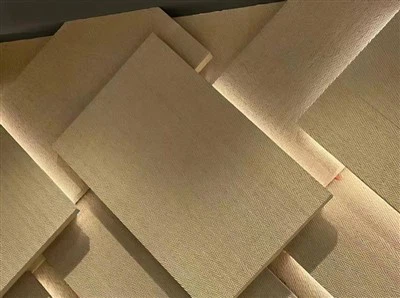
Durability is a critical factor when it comes to choosing building materials, and PVC panels are no exception. As a PVC panels supplier, I've witnessed firsthand the growing popularity of PVC panels in the construction and interior decoration industries. In this blog post, I'll delve into the durability of PVC panels, exploring the factors that affect it and why PVC panels are a reliable choice for various applications.

Understanding PVC Panels
PVC, or polyvinyl chloride, is a synthetic plastic polymer known for its versatility and durability. PVC panels are made by combining PVC resin with various additives, such as stabilizers, plasticizers, and fillers. These additives enhance the panel's properties, making it suitable for different environments and applications.
PVC panels come in a wide range of colors, patterns, and textures, making them a popular choice for both residential and commercial projects. They are commonly used for wall cladding, ceiling panels, partition walls, and even in bathrooms and kitchens due to their water-resistant properties.
Factors Affecting the Durability of PVC Panels
1. Quality of Raw Materials
The quality of the PVC resin and additives used in the manufacturing process plays a significant role in the durability of PVC panels. High-quality raw materials ensure better resistance to wear, tear, and environmental factors. For example, panels made from virgin PVC resin tend to be more durable than those made from recycled materials.
2. Manufacturing Process
The manufacturing process also affects the durability of PVC panels. Proper extrusion and molding techniques ensure uniform thickness and density, which are essential for long-lasting performance. Additionally, the use of advanced manufacturing technologies can improve the panel's resistance to impact, heat, and chemicals.
3. Environmental Conditions
The environment in which PVC panels are installed can have a significant impact on their durability. Exposure to extreme temperatures, humidity, sunlight, and chemicals can cause the panels to degrade over time. For example, PVC panels installed in outdoor areas may be more prone to fading and cracking due to prolonged exposure to sunlight and UV rays.
4. Maintenance and Care
Proper maintenance and care can extend the lifespan of PVC panels. Regular cleaning with mild soap and water can prevent the buildup of dirt, grime, and stains, which can damage the panel's surface. Additionally, avoiding the use of abrasive cleaners or tools can prevent scratching and other forms of damage.
Advantages of PVC Panels in Terms of Durability
1. Water Resistance
One of the key advantages of PVC panels is their excellent water resistance. Unlike traditional building materials, such as wood or drywall, PVC panels do not absorb water, making them ideal for use in wet areas, such as bathrooms, kitchens, and basements. This water resistance also prevents the growth of mold and mildew, which can cause health problems and damage to the building structure.
2. Impact Resistance
PVC panels are highly resistant to impact, making them a durable choice for high-traffic areas. They can withstand accidental bumps and knocks without cracking or breaking, ensuring long-lasting performance. This impact resistance also makes PVC panels a popular choice for commercial applications, such as schools, hospitals, and offices.
3. Chemical Resistance
PVC panels are resistant to a wide range of chemicals, including acids, alkalis, and solvents. This chemical resistance makes them suitable for use in industrial settings, where they may be exposed to harsh chemicals and cleaning agents. Additionally, PVC panels do not react with most building materials, making them compatible with a variety of construction methods.
4. Fire Resistance
Many PVC panels are treated with fire retardant additives, making them more resistant to fire than traditional building materials. This fire resistance can help prevent the spread of fire in the event of an emergency, providing an extra layer of safety for occupants.
Comparing PVC Panels with Other Building Materials
1. Wood
Wood is a traditional building material known for its natural beauty and warmth. However, wood is susceptible to rot, decay, and insect damage, especially in moist environments. PVC panels, on the other hand, are water-resistant and do not require regular maintenance, such as painting or staining, making them a more durable and cost-effective choice in the long run.
2. Drywall
Drywall is a popular choice for interior walls and ceilings due to its affordability and ease of installation. However, drywall is prone to damage from moisture, impact, and fire. PVC panels offer better water resistance, impact resistance, and fire resistance than drywall, making them a more durable option for high-traffic areas and wet environments.
3. Tile
Tile is a durable and stylish option for bathrooms, kitchens, and other wet areas. However, tile installation can be time-consuming and expensive, and tiles may crack or chip over time. PVC panels offer a similar aesthetic to tile but are easier to install and more resistant to impact and damage.
Applications of Durable PVC Panels
1. Interior Decoration
PVC panels are widely used for interior decoration due to their versatility and durability. They can be used to create a variety of looks, from modern and sleek to traditional and rustic. PVC panels are commonly used for wall cladding, ceiling panels, partition walls, and even furniture.
2. Exterior Cladding
PVC panels can also be used for exterior cladding, providing a durable and low-maintenance alternative to traditional building materials, such as brick or wood. PVC panels are resistant to weathering, UV rays, and impact, making them suitable for use in a variety of climates.
3. Commercial Spaces
PVC panels are a popular choice for commercial spaces, such as offices, shops, and restaurants, due to their durability and ease of maintenance. They can withstand high traffic and frequent cleaning, ensuring a long-lasting and professional appearance.
4. Industrial Settings
In industrial settings, PVC panels are used for their chemical resistance and durability. They can be used to line walls and floors, providing a protective barrier against chemicals, heat, and impact.
Conclusion
In conclusion, the durability of PVC panels makes them a reliable and cost-effective choice for a wide range of applications. Their water resistance, impact resistance, chemical resistance, and fire resistance make them suitable for use in both residential and commercial projects. As a PVC panels supplier, I'm confident in the quality and durability of our products, and I'm happy to provide more information and assistance to help you choose the right PVC panels for your project.
If you're interested in learning more about our Thin Flexible Stone Veneer Sheet or other PVC panel products, please don't hesitate to contact us for a consultation. We look forward to discussing your project and helping you find the perfect solution.
References
- "PVC Panels: Properties, Applications, and Advantages." Building Materials Journal, Vol. 10, No. 2, 2023.
- "Durability of Plastic Building Materials." Construction and Building Research Institute, 2022.
- "Guide to Selecting PVC Panels for Interior and Exterior Applications." Home Improvement Magazine, August 2023.