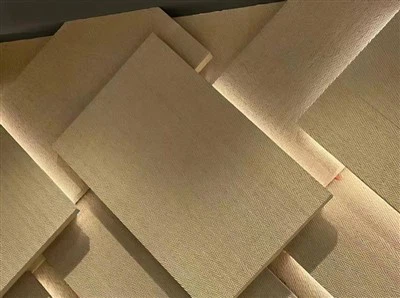
Are PVC Panels Suitable for DIY Installation?
As a supplier of PVC panels, I've had numerous customers ask whether PVC panels are a good choice for do - it - yourself (DIY) installation. In this blog, I'll delve into the various aspects of PVC panel DIY installation to help you make an informed decision.
Advantages of PVC Panels for DIY Installation
Ease of Handling
PVC panels are relatively lightweight compared to many other building materials. This makes them easy to carry around your workspace. Whether you're installing them in a small bathroom or a large living room, you won't have to struggle with heavy materials. For example, a standard 4 - by - 8 - foot PVC panel can be easily lifted and maneuvered by one person, which is not the case with heavy stone or concrete panels.
Cutting Simplicity
One of the most significant advantages of PVC panels for DIYers is the ease of cutting. You don't need specialized tools to cut PVC panels. A simple utility knife or a jigsaw can do the job. If you're working on a project where you need to cut the panels to fit around corners or into specific spaces, it's a straightforward process. Just mark the cutting line accurately and use the appropriate tool to make the cut. This is in contrast to materials like ceramic tiles, which require a tile cutter and a certain level of skill to cut cleanly.
Installation Flexibility
PVC panels can be installed in a variety of ways. You can use adhesive to stick them directly to a wall or ceiling, or you can use nails or screws if you prefer a more secure mechanical attachment. This flexibility allows you to choose the installation method that best suits your project and your skill level. For instance, if you're working on a temporary installation, adhesive might be the best option. But if you want a long - lasting and more robust installation, using nails or screws could be a better choice.
Cost - Effectiveness
When it comes to DIY projects, cost is often a major consideration. PVC panels are generally more affordable than many other finishing materials such as hardwood or natural stone. This means you can complete your project within a reasonable budget. Additionally, since they are easy to install, you can save on labor costs by doing the installation yourself.
Challenges of PVC Panel DIY Installation
Surface Preparation
Proper surface preparation is crucial for a successful PVC panel installation. The surface where you plan to install the panels must be clean, dry, and smooth. Any dirt, grease, or unevenness can affect the adhesion of the panels or cause them to look uneven after installation. For example, if you're installing PVC panels on a wall with old wallpaper, you'll need to remove the wallpaper completely and sand the wall to create a smooth surface. This can be a time - consuming and labor - intensive task, especially for larger areas.

Measuring and Fitting
Accurate measuring is essential to ensure that the PVC panels fit properly. Measuring irregularly shaped rooms or areas with many corners and curves can be challenging. A small measurement error can result in panels that don't fit together correctly or leave gaps. For instance, when installing PVC panels in a bathroom with a sloped ceiling, you'll need to take precise measurements to cut the panels at the right angles.
Sealing and Finishing
To achieve a professional - looking finish, proper sealing and finishing are necessary. Sealing the joints between the panels helps to prevent moisture from seeping in, especially in areas like bathrooms and kitchens. However, applying sealant evenly and neatly can be difficult for DIYers. A poorly sealed joint can lead to water damage over time, which can compromise the integrity of the installation.
Tools and Materials Needed for DIY Installation
Tools
- Measuring Tape: Essential for taking accurate measurements of the area where you'll be installing the PVC panels.
- Utility Knife or Jigsaw: For cutting the panels to the desired size.
- Screwdriver or Nail Gun: Depending on the installation method you choose, you'll need a tool to attach the panels to the surface.
- Level: To ensure that the panels are installed straight and level.
- Caulk Gun: For applying sealant to the joints between the panels.
Materials
- PVC Panels: Of course, you'll need the PVC panels themselves. Make sure to choose the right type and size for your project.
- Adhesive or Fasteners: Whether you use adhesive, nails, or screws, you'll need the appropriate materials to attach the panels.
- Sealant: To seal the joints between the panels and prevent moisture penetration.
Step - by - Step DIY Installation Guide
Step 1: Measure the Area
Use a measuring tape to measure the length and height of the wall or ceiling where you'll be installing the PVC panels. Take multiple measurements to ensure accuracy, especially in irregularly shaped areas.
Step 2: Prepare the Surface
Clean the surface thoroughly to remove any dirt, dust, or grease. If necessary, sand the surface to make it smooth. Patch any holes or cracks with spackle and let it dry completely.
Step 3: Cut the Panels
Based on your measurements, mark the cutting lines on the PVC panels. Use a utility knife or jigsaw to cut the panels to the appropriate size. Be careful to make straight and clean cuts.
Step 4: Install the Panels
If you're using adhesive, apply it to the back of the panel or the surface where you'll be installing the panel. Press the panel firmly against the surface and hold it in place until the adhesive sets. If you're using nails or screws, drill pilot holes first to prevent the panels from cracking. Then, attach the panels to the surface using the appropriate fasteners.
Step 5: Seal the Joints
Once all the panels are installed, use a caulk gun to apply sealant to the joints between the panels. Smooth the sealant with a putty knife or your finger to create a neat finish.
Conclusion
In conclusion, PVC panels can be a great choice for DIY installation. They offer many advantages such as ease of handling, cutting simplicity, installation flexibility, and cost - effectiveness. However, there are also some challenges, including surface preparation, measuring and fitting, and sealing and finishing. If you're willing to put in the time and effort to learn the necessary skills and follow the proper installation procedures, PVC panels can be a rewarding DIY project.
If you're interested in purchasing PVC panels for your DIY project, we're here to help. Our company offers a wide range of high - quality PVC panels, including the Thin Flexible Stone Veneer Sheet. Contact us to discuss your requirements and start your DIY installation journey today!
References
- "Home Improvement Handbook: DIY Installation Guide". Publisher: Home DIY Press, 2020.
- "PVC Panels: Properties and Applications". Author: Dr. John Smith, Published by Building Materials Research Institute, 2019.