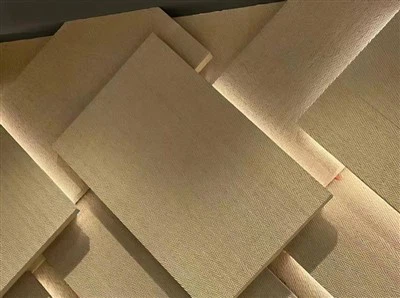
In the realm of modern construction and interior design, WPC (Wood - Plastic Composite) wall panels have emerged as a popular choice due to their numerous advantages. As a WPC wall panel supplier, I often encounter a crucial question from clients: "Are WPC wall panels fire - resistant?" In this blog, I'll delve into this topic to provide you with a comprehensive understanding.
Understanding WPC Wall Panels
Before discussing their fire - resistance, let's briefly understand what WPC wall panels are. WPC wall panels are made by combining wood fibers or flour with thermoplastics, such as polyethylene, polypropylene, or polyvinyl chloride. This combination results in a material that combines the natural aesthetics of wood with the durability and workability of plastic.
These panels are highly versatile and can be used in a variety of applications, both indoors and outdoors. For outdoor use, you can check out our WPC Wall Panel Outdoor. They are resistant to moisture, rot, and insects, making them ideal for exterior cladding, fences, and decking. Indoors, they can be used for wall cladding, ceiling panels, and even as Sound Absorbing Panels for Home, adding both style and functionality to your living spaces. Our Indoor Wpc Wall Panel collection offers a wide range of designs to suit different interior styles.
Fire - Resistance of WPC Wall Panels
The fire - resistance of WPC wall panels is a complex topic that depends on several factors.
Material Composition
The basic components of WPC wall panels, wood and plastic, are both combustible materials. Wood has a relatively low ignition point and can burn easily when exposed to a flame or high heat. Plastics, on the other hand, also have varying degrees of flammability depending on their type. However, the combination of these two materials in WPC panels does not necessarily mean they are highly flammable.
Some manufacturers, including us, can add fire - retardant additives during the production process. These additives work by either releasing non - flammable gases when heated, which dilute the oxygen around the material and suppress combustion, or by forming a protective char layer on the surface of the panel. This char layer acts as a barrier, preventing the transfer of heat and oxygen to the underlying material and slowing down the burning process.
Testing and Certification
To determine the fire - resistance of WPC wall panels, they need to undergo specific fire - safety tests. In many countries, there are established standards and regulations for building materials, including wall panels. For example, in the United States, the ASTM E84 test is commonly used to measure the surface burning characteristics of building materials. This test evaluates the flame spread index (FSI) and smoke - developed index (SDI) of a material.
A lower FSI indicates better fire - resistance, as it means the flame spreads more slowly across the surface of the material. Similarly, a lower SDI means less smoke is produced during a fire, which is crucial for ensuring the safety of occupants in a building. Our WPC wall panels have been tested according to relevant international standards, and we can provide you with the test reports to prove their fire - safety performance.
Real - World Performance
In real - world scenarios, the fire - resistance of WPC wall panels can be affected by various factors, such as the installation method, the presence of other combustible materials nearby, and the intensity of the fire. Proper installation is essential to ensure that the panels are tightly fitted and there are no gaps where flames or smoke can penetrate.
If WPC wall panels are installed in an area with a high fire risk, such as near a kitchen stove or a fireplace, additional fire - protection measures may be required. For example, a fire - rated backing material can be used behind the panels to enhance their overall fire - resistance.
Advantages of Using Fire - Resistant WPC Wall Panels
Even though the fire - resistance of WPC wall panels may vary, using fire - resistant ones offers several significant advantages.
Safety
The most obvious advantage is the enhanced safety they provide. In the event of a fire, fire - resistant WPC wall panels can slow down the spread of flames and reduce the amount of smoke produced. This gives occupants more time to evacuate the building safely and can also minimize the damage caused by the fire.
Compliance with Regulations
Many building codes and regulations require the use of fire - resistant materials in certain areas of a building, such as stairwells, corridors, and commercial spaces. By using fire - resistant WPC wall panels, you can ensure that your construction project complies with these regulations, avoiding potential fines and legal issues.
Durability
Fire - resistant additives can also improve the overall durability of WPC wall panels. They can make the panels more resistant to heat - induced degradation, which means they will maintain their structural integrity and appearance for a longer time, even in high - temperature environments.
Conclusion
So, are WPC wall panels fire - resistant? The answer is that it depends. While the basic WPC material is combustible, with the addition of fire - retardant additives and proper manufacturing processes, WPC wall panels can achieve a certain level of fire - resistance.
As a WPC wall panel supplier, we are committed to providing our customers with high - quality, fire - resistant products. Our panels have been carefully tested and meet the relevant fire - safety standards. Whether you are looking for outdoor wall panels, sound - absorbing panels for your home, or indoor wall cladding, we have a wide range of options to meet your needs.


If you are interested in our WPC wall panels and want to learn more about their fire - resistance or other features, please feel free to contact us for a detailed discussion. We are here to assist you in making the right choice for your construction or interior design project.
References
- ASTM International. (2023). ASTM E84 - 22a Standard Test Method for Surface Burning Characteristics of Building Materials.
- Building Research Establishment. (2022). Fire Safety in Buildings: A Guide to Good Practice.