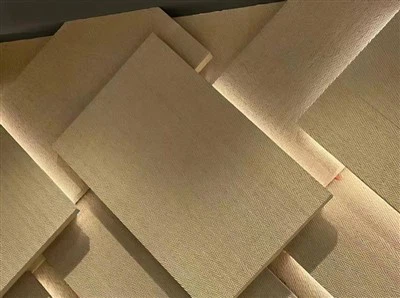
Hey there! As a WPC wall panel supplier, I've been in the business for quite a while, and I've seen firsthand the pros and cons of these panels. While WPC wall panels have a lot going for them, like being eco - friendly, durable, and easy to install, it's important to be upfront about their disadvantages too. So, let's dive right in and take a look at some of the downsides of WPC wall panels.
1. Cost
One of the most obvious disadvantages of WPC wall panels is the cost. Compared to traditional wall materials like drywall or plywood, WPC wall panels can be pretty pricey. The production process of WPC involves combining wood fibers and plastic polymers, which requires specialized equipment and technology. This drives up the manufacturing cost, and those costs are often passed on to the consumers.
For small - scale projects or on a tight budget, the high price of WPC wall panels can be a real deal - breaker. You might find yourself having to cut corners on other aspects of your project just to afford these panels. For instance, if you're renovating a small apartment, the cost of covering all the walls with WPC panels could be significantly higher than using basic drywall.
2. Limited Design Flexibility
Another drawback is the limited design flexibility. While WPC wall panels come in a variety of colors and textures, they still can't match the endless possibilities offered by other materials. For example, if you're looking for a custom - made mural or a very intricate pattern on your walls, it's going to be tough to achieve with WPC panels.
Unlike paint, which can be used to create any color or design imaginable, or wallpaper that comes in a vast array of prints, WPC panels have a more standardized look. You're pretty much stuck with the options that the manufacturer provides. So, if you have a very unique and specific design vision for your space, you might be disappointed with what WPC wall panels can offer.
3. Susceptibility to Scratches and Dents
WPC wall panels are not as scratch - and dent - resistant as you might think. Even though they're made of a combination of wood and plastic, they can still get damaged quite easily. In high - traffic areas like hallways or children's rooms, where there's a lot of movement and potential for accidental bumps, the panels can end up looking worn out pretty quickly.
A simple scrape from a piece of furniture being moved across the room or a small impact from a ball can leave a visible mark on the panel. Once a panel is scratched or dented, it can be difficult to repair. You might have to replace the entire panel, which can be both time - consuming and expensive.
4. Environmental Concerns (Yes, Despite Being Eco - Friendly)
While WPC wall panels are often touted as an eco - friendly alternative to traditional wall materials, there are still some environmental concerns. The plastic component in WPC panels is usually made from non - biodegradable polymers. When these panels reach the end of their lifespan, they can contribute to landfill waste.
Moreover, the production process of WPC panels requires energy, and the chemicals used in their manufacturing can have an environmental impact. Although the wood fibers in the panels are a renewable resource, the overall environmental footprint of WPC panels is not as clean as some might assume.
5. Installation Complexity
Installing WPC wall panels is not as straightforward as it seems. Unlike some other wall materials that can be easily installed by DIY enthusiasts, WPC panels often require professional installation. The panels need to be properly aligned and secured to the wall, and any mistakes during the installation process can lead to problems down the line.


For example, if the panels are not installed correctly, they might not fit together properly, leaving gaps that can be unsightly and also affect the insulation properties of the wall. Additionally, the installation process might involve the use of specialized tools, which most homeowners don't have on hand. So, you'll likely have to hire a professional installer, which adds to the overall cost of the project.
6. Heat and Fire Resistance
WPC wall panels are not the best when it comes to heat and fire resistance. The wood fibers in the panels are flammable, and while the plastic component can help to some extent, they still don't offer the same level of fire protection as some other wall materials like fire - rated drywall.
In case of a fire, WPC panels can catch fire relatively quickly and release toxic fumes. This is a major safety concern, especially in commercial buildings or areas where fire safety is a top priority. If you're considering using WPC wall panels in a place like a restaurant or an office building, you might need to take additional fire - prevention measures, which can again add to the cost.
7. Difficulty in Repairs
Repairing WPC wall panels can be a hassle. As mentioned earlier, if a panel gets scratched, dented, or damaged in any way, it's often necessary to replace the entire panel. This is because it's difficult to match the color and texture of the existing panels when making a partial repair.
Unlike other materials like drywall, where you can easily patch up a small hole or crack, WPC panels require a more involved process. You'll need to find the exact same panel model, which might not be easy if the product has been discontinued or if you're working with an older installation.
Some Mitigating Factors
Now, it's not all bad news. There are ways to work around some of these disadvantages. For example, if you're worried about scratches and dents, you can choose a higher - quality WPC panel that has a more durable surface. And if cost is an issue, you can use WPC panels in combination with other, more affordable materials in areas where they won't be as visible.
Also, if you're interested in some specific features, there are options available. For instance, you can check out Waterproof WPC Wall Panel if you need panels for a moist area like a bathroom. Or if sound insulation is your concern, Sound Absorbing Panels for Home could be a great option. And for a more unique look, Rotating WPC Wall Panels can add an interesting element to your space.
Conclusion
In conclusion, while WPC wall panels have their advantages, they also come with a fair share of disadvantages. The cost, limited design flexibility, susceptibility to scratches and dents, environmental concerns, installation complexity, heat and fire resistance issues, and difficulty in repairs are all factors that you need to consider before deciding to use these panels.
However, if you weigh the pros and cons carefully and find ways to work around the drawbacks, WPC wall panels can still be a great choice for your project. If you're thinking about using WPC wall panels for your next renovation or construction project, I'd be more than happy to discuss your options with you. Don't hesitate to reach out for a detailed consultation and to start the procurement process. We can work together to find the best solution for your specific needs.
References
- Industry reports on WPC wall panel manufacturing and market trends
- Studies on the environmental impact of composite materials
- User reviews and feedback on the performance of WPC wall panels in real - world applications