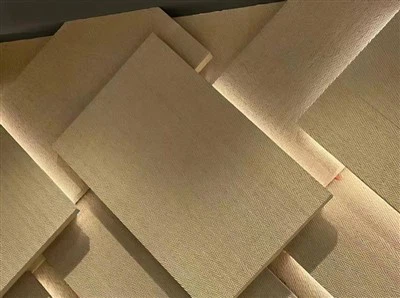
Hey there! As a WPC wall panel supplier, I often get asked about the differences between WPC wall panels and PVC wall panels. So, I thought I'd put together this blog post to clear things up.
Let's start with the basics. WPC stands for Wood - Plastic Composite. These panels are made by combining wood fibers or flour with thermoplastics, along with some additives and binders. On the other hand, PVC stands for Polyvinyl Chloride, which is a type of plastic.
Appearance
One of the first things you'll notice when comparing WPC and PVC wall panels is their appearance. WPC wall panels have a more natural look and feel. Since they contain wood fibers, they can mimic the texture and grain of real wood quite well. This gives your space a warm and inviting aesthetic. Whether you're going for a rustic, traditional, or modern - country look, WPC panels can fit right in.
PVC wall panels, however, usually have a more synthetic appearance. They often look like smooth plastic sheets. While some PVC panels are designed to imitate the look of wood or other materials, they generally can't achieve the same level of authenticity as WPC panels.


Durability
When it comes to durability, both types have their own pros and cons. WPC wall panels are quite strong and resistant to impact. The combination of wood and plastic gives them a good amount of structural integrity. They can withstand normal wear and tear in a home or commercial setting. Also, they are less likely to crack or break compared to some other wall panel materials.
But here's the thing, WPC panels are more prone to scratches if they're not properly maintained. You need to be a bit careful when moving furniture or other objects near them.
PVC wall panels, on the other hand, are extremely durable in terms of moisture resistance. They are waterproof, which makes them a great choice for areas like bathrooms, kitchens, and basements. They won't rot or warp when exposed to water. However, PVC panels can become brittle over time, especially if they're exposed to extreme temperatures.
Environmental Impact
If you're an eco - conscious consumer, this is an important factor to consider. WPC wall panels are a more environmentally friendly option. The use of wood fibers means that they contain a renewable resource. Also, many WPC manufacturers use recycled plastics in their production process, which helps reduce waste.
PVC, on the other hand, is a petroleum - based plastic. Its production involves the use of non - renewable resources. Additionally, the manufacturing process of PVC can release harmful chemicals into the environment. And when PVC panels reach the end of their life, they can be difficult to recycle.
Installation
Installing WPC wall panels is generally straightforward, but it does require some basic carpentry skills. Most WPC panels come with a tongue - and - groove system, which allows for easy interlocking. You can install them on a variety of surfaces, including drywall, plywood, or concrete. However, because they have a bit of weight due to the wood content, you need to make sure the installation surface is strong enough to support them.
PVC wall panels are even easier to install. They are lightweight, so you don't need to worry too much about the strength of the installation surface. They can be glued or nailed in place, and the installation process is usually quicker compared to WPC panels.
Cost
Cost is always a consideration when choosing building materials. WPC wall panels are generally more expensive than PVC wall panels. The cost of WPC panels is higher because of the raw materials used and the manufacturing process. The inclusion of wood fibers and the need for proper bonding with plastic add to the production cost.
PVC panels, on the other hand, are more budget - friendly. Their lower cost makes them a popular choice for those on a tight budget or for large - scale projects where cost savings are significant.
Applications
WPC wall panels are versatile and can be used in a wide range of applications. They are great for interior walls in living rooms, bedrooms, and offices. You can also use them for accent walls to add a touch of style. For those interested in more unique applications, check out our Rotating WPC Wall Panels. These panels can add a dynamic element to your space.
PVC wall panels are mainly used in areas where moisture is a concern. As mentioned earlier, bathrooms, kitchens, and basements are ideal places for PVC panels. If you're looking for sound - absorbing options for your home, we also have Sound Absorbing Panels for Home made of WPC, which can provide both acoustic benefits and a nice aesthetic.
Maintenance
Maintaining WPC wall panels is relatively easy. You can clean them with a mild detergent and a soft cloth. Avoid using abrasive cleaners, as they can scratch the surface. Regular dusting will keep them looking good.
PVC wall panels are even lower - maintenance. They can be wiped down with a damp cloth, and they're resistant to stains and dirt. But be careful not to use harsh chemicals, as they can damage the plastic.
Fire Resistance
In terms of fire resistance, WPC wall panels have a moderate level of fire - retardant properties. The wood content does make them more combustible than PVC panels, but many WPC manufacturers add fire - retardant additives during the production process.
PVC wall panels have better fire - resistance due to their plastic nature. They are less likely to catch fire and can slow down the spread of flames. However, when PVC does burn, it can release toxic fumes, which is a concern.
Sound Insulation
WPC wall panels offer better sound insulation compared to PVC panels. The wood fibers in WPC panels help absorb sound waves, reducing noise transmission between rooms. This makes them a great choice for bedrooms, home theaters, or offices where you want a quiet environment.
PVC panels, on the other hand, are not as effective at sound insulation. They are more likely to reflect sound rather than absorb it.
Conclusion
So, there you have it - the main differences between WPC wall panels and PVC wall panels. Each type has its own unique features and benefits. If you're looking for a natural look, good sound insulation, and a more environmentally friendly option, WPC wall panels are the way to go. However, if you need a waterproof, budget - friendly, and easy - to - install option, PVC wall panels might be a better choice.
If you're interested in purchasing WPC wall panels for your project, I'd love to have a chat with you. We offer a wide range of WPC wall panels, including our Waterproof WPC Wall Panel. Whether you're a homeowner, a contractor, or a designer, we can provide you with the right products and solutions. Don't hesitate to reach out for more information and to start the procurement process.
References
- "Building Materials Handbook" by John Smith
- "Plastic and Composite Materials in Construction" by Jane Doe
- Industry reports on WPC and PVC wall panel production and usage.