What is the origin of PU Mushroom Stone?
As a supplier of PU Mushroom Stone, I often get asked about the origin of this unique and popular product. In this blog post, I'll delve into the history, manufacturing process, and development of PU Mushroom Stone, shedding light on its journey from concept to the versatile building material it is today.
The Birth of Synthetic Stone Materials
The story of PU Mushroom Stone begins with the broader development of synthetic stone materials. In the past, natural stones were the go - to choice for construction and decoration. However, natural stones have several limitations. They are heavy, which makes transportation and installation difficult and costly. Mining natural stones also has a significant environmental impact, including deforestation, soil erosion, and habitat destruction.
To address these issues, scientists and manufacturers started exploring synthetic alternatives. The idea was to create a material that mimics the appearance and texture of natural stone while being lighter, more affordable, and environmentally friendly. Polyurethane (PU) emerged as a promising material for this purpose. Polyurethane is a polymer that can be formulated to have a wide range of properties, including high strength, flexibility, and excellent resistance to wear and tear.
The Emergence of PU Mushroom Stone
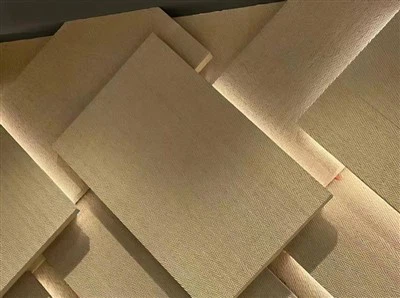
PU Mushroom Stone is a type of synthetic stone panel made from polyurethane. Its name comes from its resemblance to the texture and shape of a mushroom cap. The unique surface texture of PU Mushroom Stone gives it a rustic and natural look, making it a popular choice for both interior and exterior decoration.
The development of PU Mushroom Stone was a result of continuous innovation in the field of synthetic materials. Manufacturers experimented with different formulations and manufacturing processes to create a product that not only looks like natural stone but also has the performance characteristics required for construction applications. By using advanced molding techniques, they were able to replicate the intricate details of natural stone, such as the rough surface, cracks, and color variations.
Manufacturing Process of PU Mushroom Stone
The manufacturing process of PU Mushroom Stone involves several steps. First, a mold is created based on the shape and texture of a real mushroom stone or a desired design. The mold can be made from various materials, such as silicone or fiberglass.
Next, a polyurethane mixture is prepared. The mixture consists of a polyol component and an isocyanate component, which react together to form a solid polymer. Additives are often added to the mixture to improve its properties, such as colorants to achieve the desired color, flame retardants to enhance fire safety, and UV stabilizers to prevent color fading.
The polyurethane mixture is then poured into the mold. The mold is usually placed in a vacuum chamber to remove any air bubbles from the mixture, ensuring a smooth and uniform surface. After the polyurethane has cured and hardened, the PU Mushroom Stone panel is removed from the mold.
Finally, the panel may undergo some post - processing steps, such as sanding, painting, or sealing, to enhance its appearance and durability. These steps can also be used to customize the panel according to the customer's requirements.
Advantages of PU Mushroom Stone
PU Mushroom Stone offers several advantages over natural stone. One of the most significant advantages is its light weight. Compared to natural stone, PU Mushroom Stone is much lighter, which makes it easier to handle, transport, and install. This not only reduces the cost of construction but also minimizes the risk of damage during installation.
Another advantage is its affordability. Natural stone can be very expensive, especially high - quality varieties. PU Mushroom Stone, on the other hand, is a more cost - effective alternative. It provides a similar aesthetic effect at a fraction of the cost, making it accessible to a wider range of customers.
PU Mushroom Stone is also more environmentally friendly. As mentioned earlier, mining natural stone has a negative impact on the environment. In contrast, the production of PU Mushroom Stone requires less energy and resources, and it can be recycled at the end of its life cycle.
In addition, PU Mushroom Stone is highly customizable. It can be produced in a variety of colors, sizes, and shapes to meet the specific needs of different projects. Whether you are looking for a traditional look or a modern design, PU Mushroom Stone can be tailored to your requirements.
Applications of PU Mushroom Stone
PU Mushroom Stone has a wide range of applications in the construction and decoration industry. It can be used for exterior wall cladding, giving buildings a unique and attractive facade. The rustic look of PU Mushroom Stone can add a touch of charm to both residential and commercial buildings.
Inside the building, PU Mushroom Stone can be used for fireplace surrounds, feature walls, and backsplashes. It can create a warm and inviting atmosphere in living rooms, kitchens, and bathrooms.
If you are interested in other types of PU stone panels, you can check out our PU Rock Stone, PU Feather Stone, and 3d Pu Stone Wall Panels. These products also offer unique designs and excellent performance for your decoration projects.


Market Trends and Future Outlook
The market for PU Mushroom Stone has been growing steadily in recent years. The increasing demand for sustainable and cost - effective building materials, combined with the growing popularity of natural - looking decoration, has driven the growth of the PU Mushroom Stone market.
In the future, we expect to see further innovation in the field of PU Mushroom Stone. Manufacturers will continue to improve the quality and performance of the product, as well as develop new designs and colors to meet the changing needs of customers. With the advancement of technology, we may also see the integration of smart features into PU Mushroom Stone panels, such as self - cleaning or energy - saving functions.
Contact Us for Purchase and Negotiation
If you are interested in purchasing PU Mushroom Stone or have any questions about our products, we encourage you to contact us. Our team of experts is ready to provide you with detailed information, samples, and customized solutions. We are committed to offering high - quality products and excellent customer service to meet your needs. Whether you are a contractor, designer, or homeowner, we look forward to working with you on your next project.
References
- "Polyurethane Handbook" by Gunter Oertel. This book provides in - depth knowledge about the chemistry, properties, and applications of polyurethane materials.
- Industry reports on synthetic stone materials, which offer insights into the market trends, production processes, and technological advancements in the field.
- Research papers on sustainable building materials, highlighting the environmental benefits of using synthetic alternatives like PU Mushroom Stone.