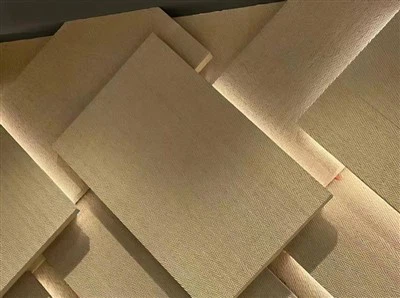
As a supplier of bamboo charcoal panels, I've witnessed an increasing interest in their various properties, especially the sound - absorbing property. In this blog, I'll delve into what the sound - absorbing property of a bamboo charcoal panel is, how it works, and its practical applications.
What is Sound Absorption?
Before we explore the sound - absorbing property of bamboo charcoal panels, it's essential to understand what sound absorption means. Sound is a form of energy that travels through the air in waves. When these sound waves encounter a surface, several things can happen: they can be reflected, transmitted, or absorbed. Sound absorption refers to the process by which a material takes in sound energy and converts it into heat energy, reducing the amount of sound that is reflected back into the environment.
How Bamboo Charcoal Panels Absorb Sound
Bamboo charcoal panels are made from bamboo that has been carbonized at high temperatures. This carbonization process creates a unique porous structure within the bamboo charcoal. These pores play a crucial role in sound absorption.
When sound waves hit a bamboo charcoal panel, they enter the pores. Inside the pores, the sound waves cause the air molecules to vibrate. As the air molecules vibrate against the walls of the pores, friction is generated. This friction converts the sound energy into heat energy, effectively absorbing the sound.
The size, shape, and distribution of the pores in bamboo charcoal panels are important factors in determining their sound - absorbing performance. Generally, a panel with a higher density of pores and a wider range of pore sizes can absorb a broader spectrum of sound frequencies.
Factors Affecting the Sound - Absorbing Property of Bamboo Charcoal Panels
- Panel Thickness: Thicker bamboo charcoal panels tend to have better sound - absorbing capabilities. This is because a thicker panel provides more space for the sound waves to travel through the pores, increasing the chances of energy conversion. For example, a 2 - inch thick bamboo charcoal panel may absorb more sound than a 1 - inch thick panel.
- Density of Bamboo Charcoal: The density of the bamboo charcoal used in the panel also affects sound absorption. A higher - density panel has more pores per unit volume, which can capture more sound waves. However, if the density is too high, it may reduce the permeability of the panel, limiting the entry of sound waves.
- Mounting Method: The way the bamboo charcoal panel is mounted can impact its sound - absorbing performance. Mounting the panel with an air gap behind it can enhance sound absorption. The air gap acts as an additional buffer, allowing the sound waves to bounce back and forth between the panel and the wall, increasing the absorption time.
Measuring the Sound - Absorbing Performance of Bamboo Charcoal Panels
The sound - absorbing performance of bamboo charcoal panels is typically measured using a metric called the Noise Reduction Coefficient (NRC). The NRC is a single - number rating that represents the average sound absorption of a material across a range of frequencies (usually 250, 500, 1000, and 2000 Hz). The NRC value ranges from 0 to 1, where 0 means no sound absorption (all sound is reflected) and 1 means perfect sound absorption (no sound is reflected).
Most high - quality bamboo charcoal panels have an NRC value between 0.6 and 0.8, indicating good sound - absorbing capabilities. However, it's important to note that the NRC is just an average value, and the actual sound absorption may vary at different frequencies.
Applications of Bamboo Charcoal Panels Based on Their Sound - Absorbing Property
- Home Theaters: In a home theater, sound quality is of utmost importance. Bamboo charcoal panels can be installed on the walls and ceiling to reduce echo and reverberation, creating a more immersive audio experience. The panels absorb the excess sound, preventing it from bouncing around the room and distorting the audio.
- Recording Studios: Recording studios require a quiet and acoustically controlled environment. Bamboo charcoal panels can be used to line the walls and doors to minimize external noise interference and control the internal acoustics. This ensures that the recordings are clean and free from unwanted echoes.
- Offices: In an open - plan office, noise can be a major distraction. Bamboo charcoal panels can be installed on partitions or walls to absorb the sound from conversations, printers, and other office equipment. This helps to create a more peaceful and productive work environment.
- Restaurants and Cafes: These places often have a lot of background noise from customers, music, and kitchen equipment. Bamboo charcoal panels can be used to reduce the noise level, making the dining experience more pleasant for customers.
Our Bamboo Charcoal Panel Products
We offer a wide range of bamboo charcoal panel products that are designed to meet different sound - absorbing needs. Our Waterproof Bamboo Charcoal Panels are ideal for areas where moisture is a concern, such as bathrooms and kitchens. They not only have good sound - absorbing properties but also resist water damage.
Our Bamboo Charcoal Fiber Board is a lightweight and cost - effective option for sound absorption. It can be easily installed in various applications, from home renovations to commercial projects.

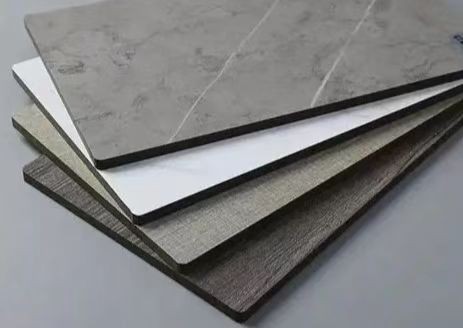
For those who prefer a more aesthetically pleasing option, our Pure Color Bamboo Charcoal Panels are available in a variety of colors. They can enhance the visual appeal of a space while providing excellent sound - absorbing performance.
Conclusion
The sound - absorbing property of bamboo charcoal panels is a valuable feature that makes them suitable for a wide range of applications. Their unique porous structure allows them to effectively absorb sound energy and convert it into heat. Factors such as panel thickness, density, and mounting method can affect their sound - absorbing performance.
If you're interested in using bamboo charcoal panels for your next project, whether it's a home improvement or a commercial construction, we'd love to hear from you. Our team of experts can provide you with detailed information about our products and help you choose the right panels for your specific needs. Contact us today to start the procurement negotiation process and take advantage of the excellent sound - absorbing properties of our bamboo charcoal panels.
References
- Beranek, Leo L. "Acoustics." American Institute of Physics, 1954.
- Kinsler, Lawrence E., et al. "Fundamentals of Acoustics." Wiley, 2000.
- Mechel, F. P. "Absorbers and Diffusers: Theory, Design and Application." Springer, 2007.