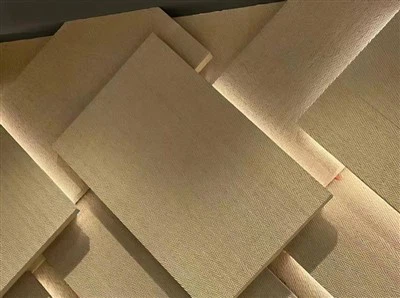
Hey there! As a supplier of WPC wall panels for outdoor use, I often get asked about how these panels hold up in different temperatures. So, I thought I'd share some insights on the stability of WPC wall panels outdoors across various temperature ranges.
Let's start with what WPC actually is. WPC stands for Wood - Plastic Composite. It's a blend of wood fibers and thermoplastics, which gives it some unique properties. These panels are great for outdoor use because they combine the natural look of wood with the durability and low - maintenance features of plastic.
Cold Temperatures
When the mercury drops, you might be worried about how your outdoor WPC wall panels will fare. Well, generally speaking, WPC wall panels are pretty resilient in cold weather. Most high - quality WPC panels can withstand freezing temperatures without cracking or splitting.
The plastic component in WPC acts as a kind of buffer. Plastics have a certain degree of flexibility even in cold conditions, which helps the panels absorb the stress caused by temperature changes. However, extremely cold temperatures can make the panels a bit more brittle than usual. For instance, if there's a sudden impact on the panel during a cold snap, it might be more likely to chip compared to when it's at a moderate temperature.
But don't let that scare you off. If you live in an area with cold winters, you just need to be a bit more careful during installation and maintenance. Make sure the panels are properly installed with enough room for expansion and contraction. Also, avoid any rough handling of the panels when it's really cold outside.
Hot Temperatures
On the flip side, hot weather can also have an impact on WPC wall panels. When it gets really hot, the panels can expand. This is a natural phenomenon due to the properties of the materials in the WPC. The plastic in the composite softens slightly in high temperatures, causing the panel to increase in size.
However, this expansion is usually predictable and manageable. Good quality WPC wall panels are designed with expansion gaps in mind. During installation, installers leave small spaces between the panels to allow for this expansion. As long as these gaps are properly maintained, the panels should not buckle or warp due to heat - induced expansion.
One thing to watch out for in hot weather is prolonged exposure to direct sunlight. UV rays can cause the color of the WPC panels to fade over time. But many modern WPC wall panels come with UV - resistant coatings to minimize this effect. If you're in a sunny area, it's a good idea to choose panels with a high - quality UV - protection layer.
Temperature Fluctuations
It's not just the extreme temperatures that can affect WPC wall panels; rapid temperature fluctuations can also pose a challenge. When the temperature changes quickly, the panels have to expand or contract rapidly. This can put stress on the material and potentially lead to issues like warping or cracking.
To counter this, manufacturers often use advanced manufacturing techniques to improve the dimensional stability of WPC wall panels. For example, some panels are treated to have a more uniform internal structure, which helps them handle temperature changes more gracefully.
As a supplier, I've seen firsthand how different WPC wall panels perform in various climates. We offer a range of products, including Rotating WPC Wall Panels, which are not only stylish but also designed to be stable in different temperature conditions. These rotating panels can add a unique touch to your outdoor space while maintaining their integrity.
If you're looking for something for indoor use, we also have Indoor Wpc Wall Panel. Although they're mainly for indoor settings, they share some of the same high - quality manufacturing standards as our outdoor panels.


And for those who need panels that can withstand a lot of wear and tear, our Wear - resistant WPC Wall Panels are a great option. They're built tough and can handle the rigors of outdoor use, regardless of the temperature.
Testing and Quality Assurance
At our company, we take the stability of our WPC wall panels very seriously. We conduct a series of tests to ensure that our panels can perform well in different temperature conditions. These tests include exposing the panels to extreme cold and heat in controlled environments to simulate real - world scenarios.
We also test the panels for their resistance to UV rays, moisture, and other environmental factors. Only after passing these rigorous tests do our panels make it to the market. This way, you can be confident that when you choose our WPC wall panels for your outdoor project, you're getting a product that will last.
Conclusion
In conclusion, WPC wall panels are generally quite stable in different temperatures. While cold and hot weather can have some effects on the panels, proper installation, maintenance, and choosing high - quality products can minimize these issues. Whether you're in a cold climate with harsh winters or a hot and sunny area, there's a WPC wall panel option for you.
If you're interested in our WPC wall panels for your outdoor project, I'd love to talk to you. We can discuss your specific needs, the best type of panels for your climate, and answer any questions you might have. Don't hesitate to reach out and start a conversation about your next outdoor wall panel project.
References
- ASTM International standards on composite materials for outdoor use.
- Industry research reports on the performance of WPC wall panels in different climates.