When it comes to interior decoration, PVC ceiling panels have become a popular choice for many homeowners and commercial property owners alike. As a leading PVC ceiling panel supplier, I often get asked about the chemical resistance of these panels. In this blog post, I'll delve into what chemical resistance means for PVC ceiling panels, the factors that affect it, and why it matters in different applications.
Understanding Chemical Resistance
Chemical resistance refers to a material's ability to withstand the effects of various chemicals without significant degradation, such as corrosion, discoloration, swelling, or loss of mechanical properties. For PVC ceiling panels, this means they can maintain their integrity when exposed to common household or industrial chemicals.
PVC, or polyvinyl chloride, is a synthetic plastic polymer known for its inherent chemical resistance. This property makes PVC ceiling panels suitable for a wide range of environments, from kitchens and bathrooms to industrial settings. However, the level of chemical resistance can vary depending on several factors.
Factors Affecting the Chemical Resistance of PVC Ceiling Panels
1. Chemical Composition of PVC
The base formulation of PVC plays a crucial role in its chemical resistance. Different grades of PVC are available, each with unique additives and modifiers that can enhance or reduce its resistance to specific chemicals. For example, some PVC formulations may be more resistant to acids, while others are better at withstanding alkalis.
2. Additives and Fillers
Manufacturers often add various additives and fillers to PVC to improve its performance characteristics. These can include stabilizers, plasticizers, and flame retardants. While these additives can enhance certain properties, they can also affect the panel's chemical resistance. For instance, some plasticizers may make the PVC more susceptible to certain solvents.
3. Exposure Conditions
The duration and intensity of chemical exposure are significant factors. Short-term exposure to a mild chemical may not cause any noticeable damage, while prolonged exposure to a strong chemical can lead to degradation. Additionally, factors such as temperature and humidity can also influence the chemical resistance of PVC ceiling panels. Higher temperatures can accelerate chemical reactions, making the panels more vulnerable to damage.
Chemicals Commonly Encountered in Different Settings
1. Household Environments
In homes, PVC ceiling panels may come into contact with a variety of chemicals. In the kitchen, they can be exposed to cooking oils, vinegar, and cleaning agents. In the bathroom, they may encounter soap scum, bleach, and other bathroom cleaners. Most PVC ceiling panels are designed to withstand these common household chemicals without significant damage. However, it's still important to follow the manufacturer's cleaning instructions to avoid using overly harsh chemicals that could potentially damage the panels.
2. Industrial Environments
Industrial settings can expose PVC ceiling panels to more aggressive chemicals. These may include acids, alkalis, solvents, and industrial cleaners. In such environments, it's crucial to choose PVC ceiling panels with high chemical resistance. Specialized PVC formulations are available that can withstand the harsh chemicals commonly found in industrial facilities.
Benefits of Chemical-Resistant PVC Ceiling Panels
1. Durability
Chemical-resistant PVC ceiling panels are more durable and have a longer lifespan. They can withstand the effects of chemical exposure without losing their structural integrity or aesthetic appeal. This means less frequent replacement, saving both time and money in the long run.


2. Hygiene
In environments where cleanliness is crucial, such as kitchens and bathrooms, chemical-resistant PVC ceiling panels are easier to clean and maintain. They can be wiped down with common cleaning agents without fear of damage, helping to prevent the growth of mold and bacteria.
3. Versatility
The ability to resist a wide range of chemicals makes PVC ceiling panels suitable for various applications. Whether it's a residential kitchen, a commercial bathroom, or an industrial warehouse, chemical-resistant PVC ceiling panels can provide a reliable and cost-effective solution.
Our Product Range and Chemical Resistance
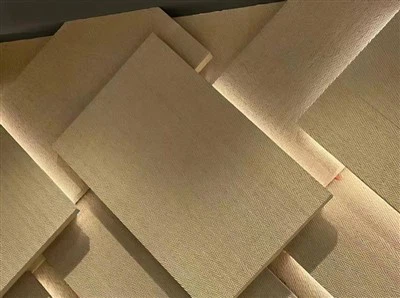
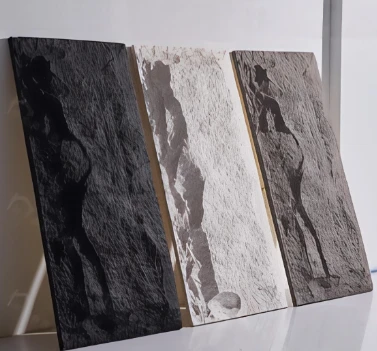
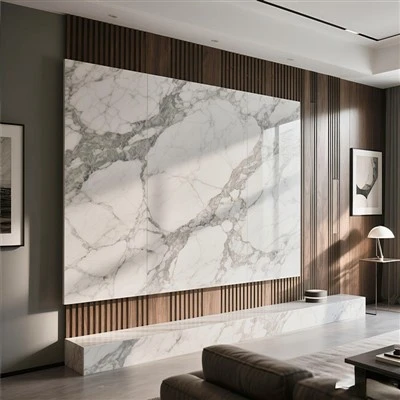
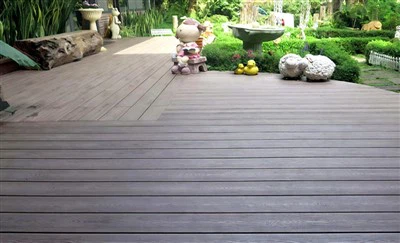
As a PVC ceiling panel supplier, we offer a diverse range of products with different levels of chemical resistance to meet the needs of various applications. Our Waterproof PVC Wall Panels are designed to withstand moisture and common household chemicals, making them ideal for bathrooms and kitchens. These panels are made from high-quality PVC with additives that enhance their chemical resistance and waterproof properties.
Our Spliced PVC Ceiling Panels are another popular choice. They are easy to install and offer excellent chemical resistance, making them suitable for both residential and commercial applications. These panels are available in a variety of colors and patterns, allowing you to create a customized look for your space.
For more demanding industrial environments, we offer Pvc Composite Wall Panels. These panels are specifically engineered to withstand the harsh chemicals and extreme conditions found in industrial facilities. They are made from a composite material that combines the strength and chemical resistance of PVC with other high-performance materials.
How to Ensure the Long-Term Chemical Resistance of PVC Ceiling Panels
To ensure the long-term chemical resistance of your PVC ceiling panels, it's important to follow these guidelines:
1. Choose the Right Product
Select PVC ceiling panels that are specifically designed for the intended application. Consider the type of chemicals the panels will be exposed to and choose a product with the appropriate level of chemical resistance.
2. Follow the Manufacturer's Instructions
Always follow the manufacturer's cleaning and maintenance instructions. Use only recommended cleaning agents and avoid using abrasive materials or harsh chemicals that could damage the panels.
3. Regular Inspection
Regularly inspect the PVC ceiling panels for any signs of damage or degradation. If you notice any issues, such as discoloration, swelling, or cracking, take appropriate action immediately to prevent further damage.
Conclusion
The chemical resistance of PVC ceiling panels is an important factor to consider when choosing the right product for your project. As a PVC ceiling panel supplier, we understand the importance of providing high-quality products that can withstand the effects of various chemicals. Our diverse range of products, including Waterproof PVC Wall Panels, Spliced PVC Ceiling Panels, and Pvc Composite Wall Panels, offers different levels of chemical resistance to meet the needs of various applications.
If you're interested in learning more about our PVC ceiling panels or have any questions about their chemical resistance, please don't hesitate to contact us. We're here to help you find the perfect solution for your project and ensure that your PVC ceiling panels provide long-lasting performance and durability.
References
- ASTM International. (Year). Standard test methods for evaluating the chemical resistance of plastics.
- Plastics Industry Association. (Year). PVC: A versatile and sustainable material.
- Manufacturer's product literature and technical data sheets.