When it comes to heating solutions or interior decoration materials, carbon crystal panels have gained significant popularity in recent years. As a trusted carbon crystal panels supplier, I often encounter various questions from customers. One of the most frequently asked questions is: "Do carbon crystal panels produce noise when working?" In this blog post, I will delve into this topic, providing a scientific and reasonable analysis to help you understand the noise - related aspects of carbon crystal panels.
How Carbon Crystal Panels Work
Before discussing the noise issue, it's essential to understand the working principle of carbon crystal panels. Carbon crystal panels are mainly used for heating purposes in many cases. They are based on the principle of converting electrical energy into heat energy through the carbon crystal heating elements inside. When an electric current passes through the carbon crystal material, the carbon crystal molecules start to vibrate at a high frequency. This molecular vibration generates heat, which is then radiated outwards to warm up the surrounding environment.
The Theoretical Basis of Noise Generation
In general, noise is generated when there is mechanical vibration or air movement that causes pressure fluctuations in the air. For example, a fan makes noise because the blades are rotating, causing the air to move rapidly and creating pressure waves. In the case of carbon crystal panels, we need to analyze whether the working process can generate such mechanical vibrations or air movements.
The main process in carbon crystal panels is the molecular vibration of carbon crystal materials. These molecular vibrations are at the microscopic level. The energy released during these vibrations is mainly in the form of heat rather than creating macroscopic mechanical vibrations that can generate audible noise. The carbon crystal panels are usually installed in a fixed position, and there are no moving parts like motors or fans that would cause significant air movement or mechanical shock.
Practical Testing and Results
To confirm the theoretical analysis, we have conducted a series of practical tests on our Fire - rated Carbon Crystal Panels. These tests were carried out in a quiet laboratory environment. We used sensitive noise - measuring equipment to monitor the noise level around the working carbon crystal panels.
During the tests, we found that the noise level around the carbon crystal panels was extremely low. In fact, the measured noise was close to the background noise level of the laboratory. Even when the panels were operating at their maximum power, the additional noise generated by the panels was negligible. This indicates that under normal working conditions, carbon crystal panels do not produce noticeable noise.
Factors That Might Cause Misconceptions
However, there are some factors that might lead people to think that carbon crystal panels produce noise. One of the common reasons is the expansion and contraction of the panels due to temperature changes. When the carbon crystal panels heat up, they will expand slightly, and when they cool down, they will contract. This expansion and contraction process might cause a very slight creaking sound, especially if the panels are not installed properly or if they are in contact with other hard materials.
Another factor could be the electrical wiring. If the wiring is loose or there is a poor connection, it might cause electrical arcing, which can produce a faint buzzing sound. But this is not a problem with the carbon crystal panels themselves but rather an issue with the installation or the electrical system.
Noise - Free Features and Advantages
The fact that carbon crystal panels are virtually noise - free offers several advantages. In a living environment, such as a bedroom or a study, a quiet heating system is crucial. You can enjoy a warm and peaceful atmosphere without being disturbed by annoying noises. This is especially beneficial for people who are sensitive to noise or those who need a quiet environment for work or rest.
In commercial settings, such as offices or shops, noise - free carbon crystal panels can also contribute to a more comfortable and productive environment. Customers and employees can focus on their tasks without the distraction of background noise.
Different Types of Carbon Crystal Panels and Noise
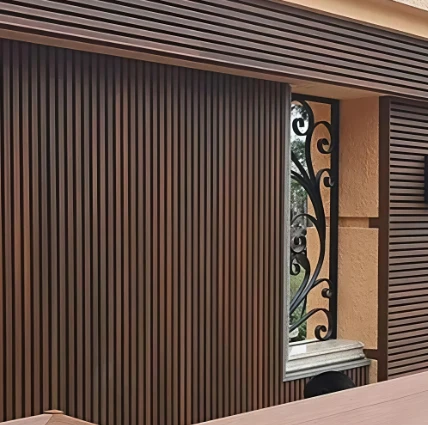
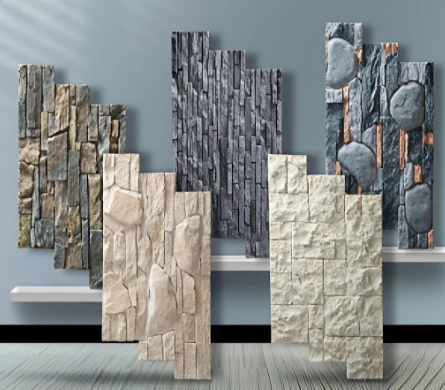
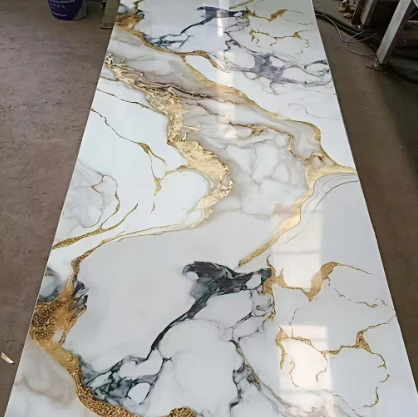
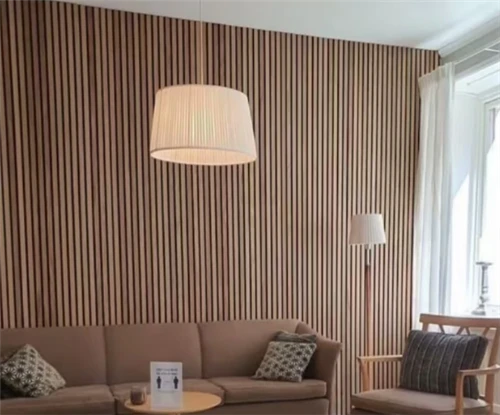
We offer a variety of carbon crystal panels, including Wood Textured Carbon Crystal Panels and Marble Carbon Crystal Board. All of these types of panels have the same noise - free characteristic. The different textures and appearances are mainly for aesthetic purposes and do not affect the noise - generating properties of the panels.


Conclusion and Call to Action
In conclusion, based on both theoretical analysis and practical testing, carbon crystal panels do not produce noticeable noise when working. The molecular vibration process in carbon crystal panels is mainly focused on heat generation, and there are no macroscopic mechanical vibrations or air movements that can generate audible noise. Although there might be some rare cases where external factors can cause a faint sound, these are not inherent problems of the panels.
If you are looking for a high - quality, noise - free heating or decoration solution, our carbon crystal panels are an excellent choice. We are committed to providing the best products and services to our customers. Whether you need Fire - rated Carbon Crystal Panels for safety - critical applications or Wood Textured Carbon Crystal Panels for a natural look, we have the right product for you.
If you are interested in our carbon crystal panels, please feel free to contact us for more information and to start a procurement negotiation. We look forward to working with you to meet your specific needs.
References
- "Principles of Heat Transfer" by Frank P. Incropera and David P. DeWitt
- "Introduction to Acoustics" by Allan D. Pierce