Hey there! As a PVC panels supplier, I often get asked if PVC panels can be used in bathrooms. Well, let's dive right into it and explore all the ins and outs of using PVC panels in these wet and steamy spaces.

First off, let's talk about what PVC panels are. PVC stands for polyvinyl chloride, which is a type of plastic. PVC panels are lightweight, durable, and come in a wide range of colors, patterns, and textures. They're also relatively easy to install, making them a popular choice for many DIYers and professional contractors alike.
Now, let's address the big question: Can PVC panels be used in bathrooms? The short answer is yes! PVC panels are actually a great option for bathroom installations. Here are some of the reasons why:
Waterproof and Moisture-Resistant
Bathrooms are constantly exposed to water and moisture, so it's crucial to use materials that can withstand these conditions. PVC panels are inherently waterproof, which means they won't absorb water or get damaged by mold or mildew. This makes them ideal for lining bathroom walls, ceilings, and even shower enclosures.
Easy to Clean
Another great thing about PVC panels is that they're incredibly easy to clean. Unlike traditional tile or paint, which can be porous and difficult to scrub, PVC panels have a smooth, non-porous surface that resists dirt and grime. All you need to do is wipe them down with a damp cloth and a mild cleaner, and they'll look as good as new.
Cost-Effective
Compared to other bathroom wall materials like tile or marble, PVC panels are relatively inexpensive. They offer a cost-effective way to update the look of your bathroom without breaking the bank. Plus, since they're easy to install, you can save even more money on labor costs.
Versatile Design Options
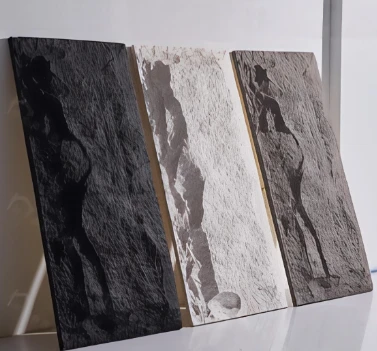
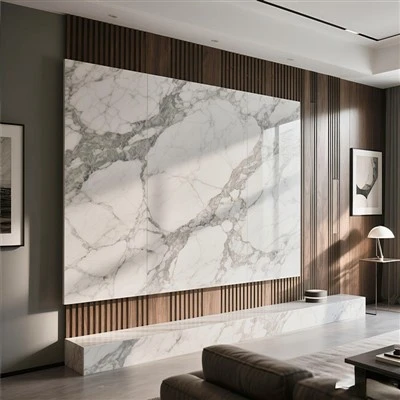
PVC panels come in a wide variety of colors, patterns, and textures, so you can find the perfect style to match your bathroom decor. Whether you're going for a modern, minimalist look or a more traditional, rustic feel, there's a PVC panel option for you. You can even find PVC panels that mimic the look of natural stone or wood, like the Thin Flexible Stone Veneer Sheet, which adds a touch of elegance to any bathroom.
Durable and Long-Lasting
PVC panels are designed to be durable and long-lasting. They can withstand the wear and tear of daily use in a bathroom, including exposure to water, steam, and cleaning chemicals. With proper installation and maintenance, PVC panels can last for many years, making them a smart investment for your home.
Installation Process
Installing PVC panels in your bathroom is a relatively straightforward process. Here's a general overview of the steps involved:
- Measure and Prepare the Area: Start by measuring the walls or ceiling where you'll be installing the PVC panels. Make sure the surface is clean, dry, and smooth. If there are any bumps or uneven areas, you may need to sand them down or use a leveling compound.
- Cut the Panels: Use a sharp utility knife or a saw to cut the PVC panels to the appropriate size. Make sure to measure twice and cut once to ensure a precise fit.
- Apply Adhesive: Apply a high-quality construction adhesive to the back of the PVC panels. Make sure to follow the manufacturer's instructions for the adhesive and apply it evenly.
- Install the Panels: Press the PVC panels firmly against the wall or ceiling, starting from the bottom and working your way up. Use a level to ensure the panels are straight and plumb. You may need to use nails or screws to secure the panels in place, especially in areas where there's a lot of movement or vibration.
- Seal the Joints: Once the panels are installed, use a silicone sealant to seal the joints between the panels. This will help prevent water from seeping behind the panels and causing damage.
- Trim and Finish: Use a trim piece or molding to finish the edges of the PVC panels. This will give your bathroom a professional, finished look.
Maintenance Tips
To keep your PVC panels looking their best and ensure their longevity, here are some maintenance tips to follow:
- Clean Regularly: Wipe down your PVC panels with a damp cloth and a mild cleaner on a regular basis to remove dirt and grime. Avoid using abrasive cleaners or scrubbers, as these can scratch the surface of the panels.
- Avoid Harsh Chemicals: Do not use harsh chemicals or solvents on your PVC panels, as these can damage the material. Stick to mild, non-abrasive cleaners that are specifically designed for use on plastic surfaces.
- Check for Damage: Periodically inspect your PVC panels for any signs of damage, such as cracks, chips, or loose joints. If you notice any damage, repair it as soon as possible to prevent further problems.
- Seal the Joints: Over time, the silicone sealant between the PVC panels may start to wear down. Check the joints regularly and reapply the sealant as needed to keep water from seeping behind the panels.
Potential Drawbacks
While PVC panels offer many benefits for bathroom installations, there are also a few potential drawbacks to consider:
- Not as Heat-Resistant as Some Materials: PVC panels are not as heat-resistant as some other bathroom wall materials, such as tile or stone. This means that they may not be suitable for use in areas that are exposed to high temperatures, such as near a bathtub or showerhead.
- May Not Be as Stylish as Some Materials: While PVC panels come in a wide variety of colors and patterns, some people may find that they don't have the same level of elegance or sophistication as other bathroom wall materials, such as marble or granite.
- Can Be Prone to Scratching: PVC panels can be prone to scratching, especially if they're not properly maintained. To prevent scratching, avoid using abrasive cleaners or scrubbers on the panels and be careful not to bump or scrape them with sharp objects.
Conclusion
In conclusion, PVC panels can be a great option for bathrooms. They're waterproof, easy to clean, cost-effective, and offer a wide range of design options. With proper installation and maintenance, PVC panels can provide a durable and long-lasting solution for your bathroom walls and ceilings.
If you're considering using PVC panels in your bathroom, I encourage you to reach out to me. As a PVC panels supplier, I can provide you with more information about our products, help you choose the right style and color for your bathroom, and offer guidance on the installation process. Whether you're a DIY enthusiast or a professional contractor, I'm here to help you make your bathroom renovation a success.
So, what are you waiting for? Contact me today to discuss your PVC panel needs and start transforming your bathroom into a beautiful and functional space.
References
- "PVC Panels: A Guide to Installation and Maintenance." Home Improvement Magazine, 2023.
- "Benefits of Using PVC Panels in Bathrooms." Bathroom Design Today, 2023.
- "How to Choose the Right PVC Panels for Your Bathroom." DIY Home Projects, 2023.