When it comes to sprucing up your home or commercial space, WPC wall panels are a top - notch choice. As a WPC wall panel supplier, I've seen all sorts of questions from customers, and one of the most common ones is how to compare the cost - effectiveness of different WPC wall panels. In this blog, I'll share some insights to help you make a smart decision.
Understanding the Basics of WPC Wall Panels
First things first, let's talk about what WPC wall panels are. WPC stands for Wood - Plastic Composite. These panels are made by combining wood fibers or flour with thermoplastics, which gives them the best of both worlds. They have the natural look and feel of wood, but they're also more durable and resistant to things like moisture and pests.
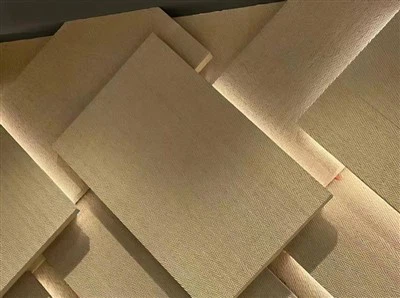
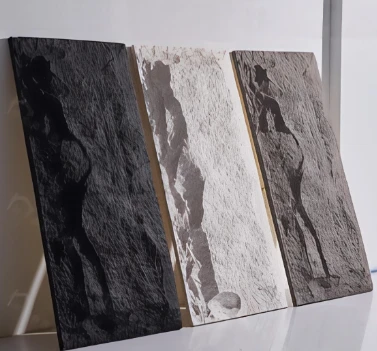
There are different types of WPC wall panels out there, each with its own features and price points. For example, you've got Sound Absorbing Panels for Home, which are great if you want to reduce noise in a room. Then there are Wear - resistant WPC Wall Panels, perfect for high - traffic areas. And let's not forget about Waterproof WPC Wall Panel, ideal for bathrooms and kitchens.
Factors Affecting Cost - Effectiveness
1. Material Quality
The quality of the materials used in WPC wall panels can vary a lot. Higher - quality panels are usually made with better wood fibers and more advanced plastics. They tend to be more durable, look better, and last longer. Cheaper panels might use lower - grade materials, which could lead to issues like warping, fading, or cracking over time.
When you're comparing cost - effectiveness, you need to think about the long - term. Sure, a cheap panel might save you some money upfront, but if it needs to be replaced in a couple of years, it's not really a good deal. On the other hand, a more expensive, high - quality panel might cost more at first, but it could save you money in the long run by lasting longer.
2. Installation Costs
Installation is another big factor. Some WPC wall panels are easier to install than others. Panels that come with a simple click - and - lock system can be installed by DIY enthusiasts, which can save you a ton of money on labor costs. Other panels might require professional installation, which can add a significant amount to the overall cost.
Before you buy, ask your supplier about the installation process. They should be able to give you an idea of how easy or difficult it is. If you're not confident in your DIY skills, it might be worth paying a bit more for a panel that's easier to install, even if it's a bit more expensive.
3. Maintenance Requirements
Maintenance is something that's often overlooked but can have a big impact on cost - effectiveness. Some WPC wall panels are very low - maintenance. They can be cleaned with just a damp cloth and don't require any special treatments. Others might need regular sealing or polishing to keep them looking good.


Think about how much time and money you're willing to spend on maintenance. If you're a busy person, a low - maintenance panel is probably the way to go. Even if it costs a bit more upfront, you'll save time and money in the long run on maintenance.
4. Aesthetic Appeal
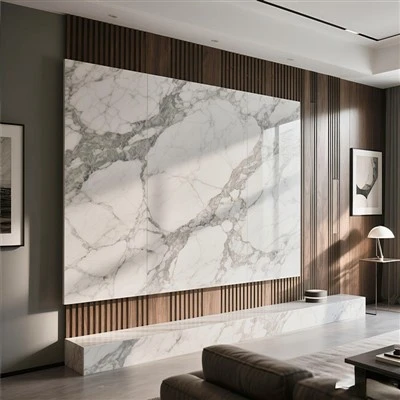
Let's face it, the way your wall panels look matters. You want your space to look great, right? Some WPC wall panels come in a wide range of colors, patterns, and textures, while others have a more limited selection.
If you have a specific design in mind for your space, you might need to pay a bit more for a panel that can achieve that look. But if you're more flexible, you might be able to find a more affordable panel that still looks good. Remember, the aesthetic appeal can also affect the resale value of your property, so it's something to consider.
Doing the Math
Once you've considered all these factors, it's time to do some math. Start by making a list of the panels you're interested in. Write down the price per square foot, the estimated installation costs, and the expected maintenance costs over a certain period (say, 5 or 10 years).
Then, calculate the total cost of each panel over that period. Don't forget to factor in the lifespan of the panel. If one panel is expected to last 10 years and another only 5 years, you'll need to replace the shorter - lasting one twice in that 10 - year period.
After you've done all the calculations, you'll have a better idea of which panel is the most cost - effective. It might not always be the cheapest one upfront, but it should be the one that gives you the best value for your money in the long run.
Real - World Examples
Let's look at a couple of real - world examples to illustrate how this works.
Example 1: Home Office
You're setting up a home office and want to use WPC wall panels. You're considering two options: a basic panel that costs $5 per square foot and a sound - absorbing panel that costs $8 per square foot.
The basic panel is easy to install, so you can do it yourself, saving on labor costs. However, it doesn't absorb sound well, so you might need to invest in some sound - proofing materials later. The sound - absorbing panel is a bit more difficult to install, so you'll need to hire a professional, which adds $2 per square foot in installation costs.
Over a 10 - year period, the basic panel might need to be replaced once due to normal wear and tear, while the sound - absorbing panel should last the whole 10 years. The basic panel also requires a bit more maintenance, like occasional repainting, which adds up to about $1 per square foot over 10 years. The sound - absorbing panel is low - maintenance, with only about $0.50 per square foot in maintenance costs.
When you do the math, the total cost of the basic panel over 10 years is about $11 per square foot ($5 for the panel, $0 for installation, $1 for maintenance, and another $5 for replacement). The total cost of the sound - absorbing panel is about $10.50 per square foot ($8 for the panel, $2 for installation, and $0.50 for maintenance). In this case, the more expensive sound - absorbing panel is actually more cost - effective in the long run.
Example 2: Kitchen
You're renovating your kitchen and looking at waterproof WPC wall panels. One option is a budget - friendly panel that costs $6 per square foot, and the other is a high - end, more durable panel that costs $10 per square foot.
The budget panel is easy to install, but it's not as resistant to scratches and stains. You might need to replace it in 3 - 4 years. The high - end panel is more difficult to install, so you'll need to hire a pro, adding $3 per square foot in installation costs. But it's very resistant to scratches and stains and should last at least 10 years.
The budget panel also requires more frequent cleaning and might need some touch - ups over time, which adds up to about $2 per square foot over 4 years. The high - end panel is low - maintenance, with only about $1 per square foot in maintenance costs over 10 years.
Doing the math, the total cost of the budget panel over 10 years (with two replacements) is about $20 per square foot ($6 for the panel, $0 for installation, $2 for maintenance, and another $12 for two replacements). The total cost of the high - end panel is about $14 per square foot ($10 for the panel, $3 for installation, and $1 for maintenance). Clearly, the high - end panel is the more cost - effective choice here.
Making the Decision
After all this research and number - crunching, you should have a good idea of which WPC wall panel is the most cost - effective for your needs. But before you make a final decision, it's always a good idea to talk to your supplier. As a WPC wall panel supplier, I'm here to help you. I can answer any questions you have, give you more information about the panels, and even provide samples so you can see and feel them for yourself.
If you're ready to make a purchase, or if you just want to learn more about our WPC wall panels, don't hesitate to get in touch. We're here to make sure you get the best value for your money and the perfect panels for your space.
References
- "Wood - Plastic Composites: Materials, Processing, and Applications" by Anandjiwala, R.D., and Blazquez, A.
- "Building Materials: Principles, Properties, and Selection" by Hoadley, R. B.