Slippery floors can pose a significant safety hazard, especially in areas prone to getting wet, such as bathrooms, kitchens, and outdoor decks. As a WPC (Wood-Plastic Composite) flooring supplier, I often get asked whether WPC flooring is slippery when wet. In this blog post, I'll delve into this question, exploring the factors that influence the slip resistance of WPC flooring and providing insights to help you make an informed decision for your space.
Understanding WPC Flooring
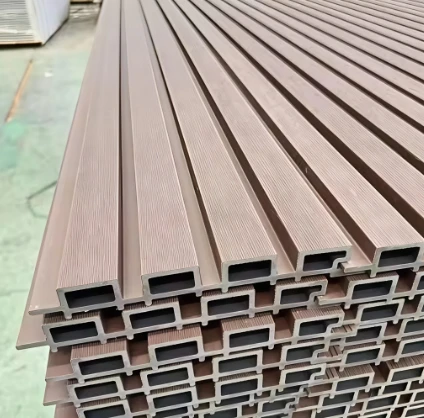
WPC flooring is a popular choice for both indoor and outdoor applications due to its durability, low maintenance, and aesthetic appeal. It is made by combining wood fibers or flour with thermoplastics, creating a composite material that offers the look and feel of natural wood without the drawbacks, such as rotting, warping, and insect damage.
One of the key advantages of WPC flooring is its versatility. It can be used in a variety of settings, from residential homes to commercial spaces. Whether you're looking for Low-Maintenance WPC Decking for your backyard or WPC Flooring Indoor to enhance the look of your living room, WPC flooring provides a practical and stylish solution.


Factors Affecting Slip Resistance
The slip resistance of WPC flooring when wet depends on several factors, including the surface texture, the presence of additives, and the installation method. Let's take a closer look at each of these factors:
Surface Texture
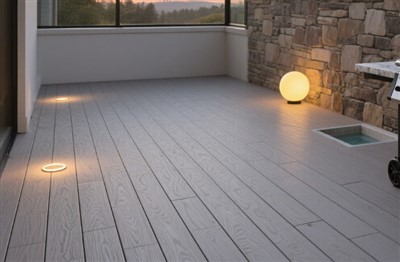
The surface texture of WPC flooring plays a crucial role in determining its slip resistance. Flooring with a rough or textured surface provides more traction, reducing the risk of slipping. Many WPC flooring products are designed with embossed patterns or textures that mimic the look of natural wood, which not only enhances the aesthetic appeal but also improves slip resistance.
For example, Interlocking WPC Decking Tiles often feature a textured surface that provides excellent grip, even when wet. These tiles are ideal for outdoor decks, where they are exposed to moisture from rain, snow, or pool splashes.
Additives
Some WPC flooring manufacturers add anti-slip additives to their products to improve slip resistance. These additives can enhance the friction between the floor and the foot, reducing the likelihood of slipping. When choosing WPC flooring, look for products that are specifically labeled as having anti-slip properties.
However, it's important to note that the effectiveness of anti-slip additives can vary depending on the type and amount of the additive used. Additionally, the performance of the anti-slip properties may degrade over time, especially with heavy use and exposure to harsh environmental conditions.
Installation Method
The installation method can also affect the slip resistance of WPC flooring. Proper installation ensures that the flooring is level and secure, which can help prevent slipping. It's important to follow the manufacturer's installation instructions carefully and use the recommended adhesives or fasteners.
In addition, the subfloor should be clean, dry, and free of any debris or contaminants. A smooth and even subfloor provides a stable base for the WPC flooring, which can improve its slip resistance.
Testing Slip Resistance
To determine the slip resistance of WPC flooring, several testing methods are available. One common method is the coefficient of friction (COF) test, which measures the amount of friction between the floor and a standard test surface. A higher COF value indicates greater slip resistance.
The Americans with Disabilities Act (ADA) recommends a minimum COF of 0.6 for wet surfaces in public areas. However, it's important to note that COF values can vary depending on the testing method and the type of footwear used.
When choosing WPC flooring, look for products that have been tested for slip resistance and meet the relevant safety standards. Some manufacturers may provide COF test results or other slip resistance ratings for their products.
Tips for Maintaining Slip Resistance
To ensure that your WPC flooring remains slip-resistant over time, it's important to follow proper maintenance practices. Here are some tips to help you maintain the slip resistance of your WPC flooring:
- Clean regularly: Regular cleaning helps remove dirt, debris, and moisture from the floor, which can improve its slip resistance. Use a mild detergent and warm water to clean the floor, and avoid using abrasive cleaners or scrubbers that can damage the surface.
- Dry the floor promptly: After spills or cleaning, dry the floor promptly to prevent water from pooling and creating a slippery surface. Use a dry mop or towel to soak up any excess water.
- Use mats and rugs: Place mats or rugs in high-traffic areas, such as entryways and bathrooms, to provide additional traction and reduce the risk of slipping. Make sure the mats are non-slip and properly secured to the floor.
- Inspect the floor regularly: Regularly inspect the floor for any signs of damage or wear, such as scratches, cracks, or loose boards. Repair or replace any damaged areas promptly to maintain the slip resistance of the floor.
Conclusion
In conclusion, WPC flooring can be a safe and slip-resistant option for both indoor and outdoor applications when properly selected, installed, and maintained. By considering the surface texture, additives, and installation method, you can choose WPC flooring that provides excellent slip resistance, even when wet.
If you're interested in learning more about our WPC flooring products or have any questions about slip resistance, please don't hesitate to contact us. Our team of experts is here to help you find the perfect flooring solution for your needs. We look forward to working with you and discussing your procurement requirements.
References
- American Society for Testing and Materials (ASTM). (2010). Standard test method for using a portable tribometer to measure the static coefficient of friction of walkway surfaces. ASTM F1679-10.
- Americans with Disabilities Act (ADA). (2010). ADA Standards for Accessible Design.
- National Floor Safety Institute (NFSI). (n.d.). Slip resistance testing. Retrieved from [Website URL]