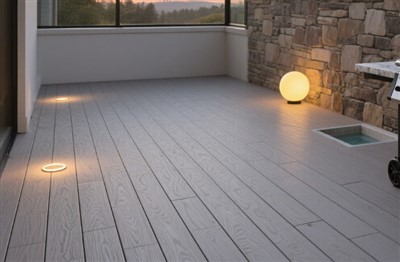
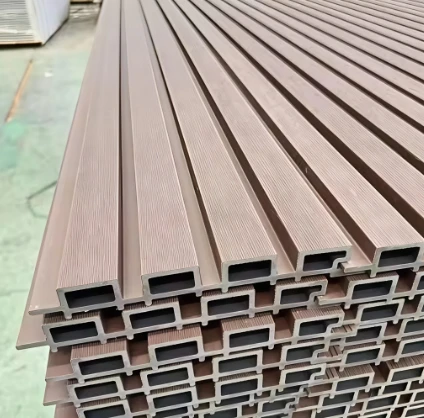
Hey there! As a supplier of SPC flooring, I often get asked about the installation requirements for SPC flooring on stairs. It's a great question, and I'm here to break it down for you.
1. Stair Preparation
First things first, you need to prep your stairs. The surface of the stairs should be clean, dry, and flat. Any dirt, dust, or debris can mess up the installation and lead to an uneven finish. Use a good - quality broom to sweep the stairs thoroughly, and then mop them with a mild cleaner. Make sure they are completely dry before you start laying the SPC flooring.
If there are any cracks or holes in the stairs, you'll need to fill them. You can use a suitable filler for this job. After filling, sand the areas smooth so that the surface is uniform. This will prevent any bumps or lumps under the SPC flooring.


2. Measuring the Stairs
Accurate measurement is crucial. You need to measure the length, width, and height of each stair tread and riser. Measure multiple times to make sure you get it right. Remember, SPC flooring usually comes in standard sizes, so you might need to cut the planks to fit your stairs.
It's also a good idea to add a little extra length and width to your measurements, say about an inch or two. This gives you some wiggle room during installation and helps to account for any minor inaccuracies.
3. Choosing the Right SPC Flooring
When it comes to SPC flooring for stairs, you've got options. We offer a variety of SPC flooring types, each with its own features.
If you're looking for an environmentally - friendly option, check out our Eco - friendly SPC Flooring. It's made with sustainable materials and is a great choice for those who are conscious about the environment.
For areas where fire safety is a concern, our Fire - rated SPC Flooring is the way to go. It meets strict fire safety standards and gives you peace of mind.
And if your stairs are in a place where they might get wet, like near a bathroom or kitchen, our Waterproof SPC Flooring is perfect. It can withstand moisture without warping or damage.
4. Tools You'll Need
To install SPC flooring on stairs, you'll need a few tools. A utility knife is essential for cutting the planks. You'll also need a measuring tape, of course, to make sure your cuts are accurate. A tapping block and a mallet are useful for fitting the planks together snugly.
A jigsaw can come in handy if you need to make more complex cuts, like around corners or for irregularly shaped stairs. And don't forget a level to ensure that the stairs are flat and the flooring is laid evenly.
5. Installation Process
Let's start with the treads. Begin by laying the first plank at the back of the tread. Make sure it's aligned properly and then use the tapping block and mallet to connect it to the next plank. Work your way across the tread until it's fully covered.
When you get to the edges, use the utility knife or jigsaw to cut the planks to fit. Be careful with your cuts to get a clean and professional look.
Now, onto the risers. Measure and cut the planks to fit the height of the riser. Start at the bottom of the riser and attach the first plank. You can use a special adhesive or the click - lock system, depending on the type of SPC flooring you've chosen.
As you install the planks on the risers, make sure they are level and straight. You might need to use the level to double - check.
6. Finishing Touches
Once all the planks are installed on the treads and risers, you need to finish the edges. You can use stair nosing, which is a special strip that covers the edge of the tread and gives it a finished look. It also helps to protect the edge of the flooring from wear and tear.
Make sure the stair nosing is properly attached and aligned. You can use screws or adhesive to secure it, depending on the type of nosing you've chosen.
7. Safety Considerations
Safety is super important when installing SPC flooring on stairs. Make sure you wear appropriate safety gear, like safety glasses and gloves. When using tools like the jigsaw or utility knife, follow the safety instructions carefully.
Also, be careful when moving around on the stairs during installation. The surface can be slippery, especially if there are any cleaning agents or dust on it.
8. Maintenance
After the installation is complete, maintaining your SPC - covered stairs is easy. Regular sweeping and occasional mopping with a mild cleaner are usually enough. Avoid using harsh chemicals or abrasive cleaners, as they can damage the flooring.
If there are any spills, clean them up right away to prevent staining. And if you notice any scratches or damage, you can usually replace a single plank if needed.
Conclusion
Installing SPC flooring on stairs can be a great way to enhance the look and durability of your stairs. By following these installation requirements, you can ensure a successful installation.
If you're interested in purchasing SPC flooring for your stairs or have any questions about the installation process, feel free to reach out. We're here to help you every step of the way. Whether you need advice on choosing the right type of SPC flooring or assistance with the installation, we've got you covered.
References
- General knowledge from years of experience in the SPC flooring industry.
- Product specifications and guidelines provided by SPC flooring manufacturers.