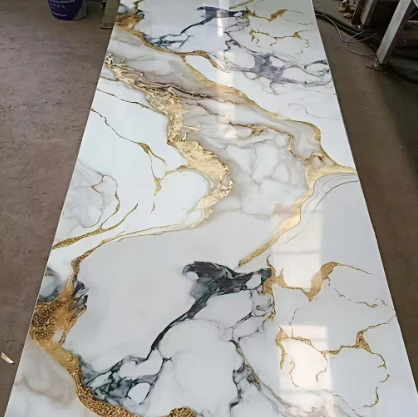
Synthetic stone, a versatile and innovative material, has gained significant popularity in various industries due to its numerous advantages over natural stone. One of the most crucial properties of synthetic stone is its abrasion resistance, which determines its durability and suitability for different applications. As a leading supplier of synthetic stone, I am excited to delve into the concept of abrasion resistance in synthetic stone, exploring its importance, factors affecting it, and how it compares to other materials.
Understanding Abrasion Resistance
Abrasion resistance refers to a material's ability to withstand wear and tear caused by friction, rubbing, or scraping. In the context of synthetic stone, it is a measure of how well the material can resist surface damage when subjected to mechanical forces. This property is particularly important in high-traffic areas or applications where the surface is likely to come into contact with abrasive materials.
The abrasion resistance of synthetic stone is typically measured using standardized tests, such as the Taber Abraser test. In this test, a sample of the synthetic stone is subjected to a rotating abrasive wheel under a specific load for a set number of cycles. The amount of material removed during the test is then measured, and the abrasion resistance is calculated based on the weight loss or the depth of wear.


Importance of Abrasion Resistance in Synthetic Stone
The abrasion resistance of synthetic stone plays a vital role in determining its performance and longevity in various applications. Here are some key reasons why abrasion resistance is important:
- Durability: Synthetic stone with high abrasion resistance can withstand the rigors of daily use without showing signs of wear and tear. This makes it an ideal choice for high-traffic areas, such as floors, countertops, and wall cladding.
- Aesthetics: Abrasion-resistant synthetic stone maintains its smooth and polished surface over time, ensuring that it looks as good as new for years to come. This is particularly important in applications where appearance is a key factor, such as in residential and commercial interiors.
- Cost-effectiveness: By choosing synthetic stone with high abrasion resistance, you can reduce the need for frequent repairs and replacements, saving you time and money in the long run.
- Safety: Abrasion-resistant synthetic stone provides a non-slip surface, reducing the risk of accidents and injuries in areas where people are likely to walk or stand.
Factors Affecting the Abrasion Resistance of Synthetic Stone
The abrasion resistance of synthetic stone is influenced by several factors, including the following:
- Composition: The composition of synthetic stone plays a significant role in determining its abrasion resistance. Synthetic stone is typically made from a combination of resin, filler materials, and pigments. The type and quality of these materials can affect the hardness, strength, and abrasion resistance of the final product.
- Manufacturing process: The manufacturing process used to produce synthetic stone can also impact its abrasion resistance. Factors such as the mixing ratio of the components, the curing time and temperature, and the surface finishing techniques can all affect the quality and performance of the synthetic stone.
- Surface finish: The surface finish of synthetic stone can have a significant impact on its abrasion resistance. A smooth and polished surface is generally more resistant to abrasion than a rough or textured surface. Additionally, the use of protective coatings or sealants can further enhance the abrasion resistance of synthetic stone.
- Application environment: The application environment can also affect the abrasion resistance of synthetic stone. Factors such as the type and frequency of traffic, the presence of abrasive materials, and the exposure to chemicals or moisture can all impact the durability of the synthetic stone.
Comparing the Abrasion Resistance of Synthetic Stone with Other Materials
When choosing a material for your project, it is important to compare the abrasion resistance of different options to ensure that you select the most suitable material for your needs. Here is a comparison of the abrasion resistance of synthetic stone with other commonly used materials:
- Natural stone: While natural stone is known for its durability, its abrasion resistance can vary depending on the type of stone and its quality. Some natural stones, such as granite and quartzite, are relatively hard and abrasion-resistant, while others, such as marble and limestone, are softer and more prone to scratching and wear.
- Ceramic tiles: Ceramic tiles are a popular choice for flooring and wall cladding due to their durability and wide range of colors and designs. However, their abrasion resistance can vary depending on the type of tile and its surface finish. Porcelain tiles, which are denser and more durable than ceramic tiles, generally have better abrasion resistance.
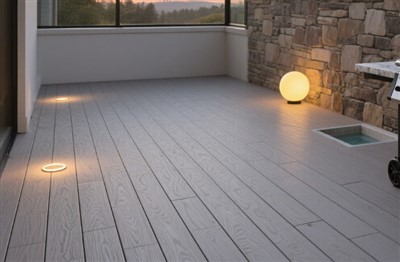
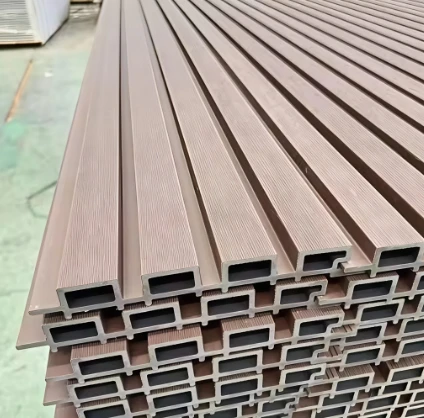
- WPC Flooring Indoor: WPC (Wood Plastic Composite) flooring is a relatively new type of flooring material that combines the benefits of wood and plastic. WPC flooring is known for its durability, water resistance, and low maintenance requirements. While its abrasion resistance is generally good, it may not be as high as that of synthetic stone or ceramic tiles.
- Wear-resistant PVC Ceiling: PVC (Polyvinyl Chloride) ceiling panels are a popular choice for residential and commercial interiors due to their affordability, easy installation, and wide range of colors and designs. While PVC ceiling panels are generally resistant to scratches and stains, their abrasion resistance may not be as high as that of synthetic stone or ceramic tiles.
Applications of Abrasion-Resistant Synthetic Stone
Due to its high abrasion resistance, synthetic stone is suitable for a wide range of applications, including the following:
- Flooring: Synthetic stone flooring is a popular choice for high-traffic areas, such as commercial buildings, airports, and shopping malls. Its durability and resistance to wear and tear make it an ideal choice for areas where people are likely to walk or stand.
- Countertops: Synthetic stone countertops are a popular choice for kitchens and bathrooms due to their durability, easy maintenance, and wide range of colors and designs. Its resistance to scratches and stains makes it an ideal choice for areas where food preparation and cleaning are likely to take place.
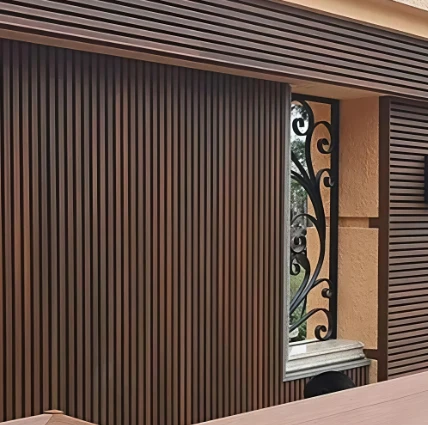
- Wall cladding: Synthetic stone wall cladding is a popular choice for both interior and exterior applications. Its durability and resistance to weathering make it an ideal choice for areas where the wall is exposed to the elements.
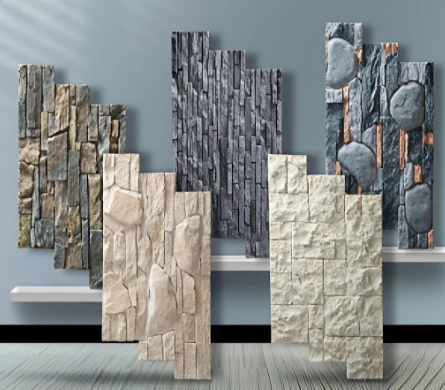
- Bendable Faux Stone Panels: Bendable faux stone panels are a versatile and innovative type of synthetic stone that can be used for a variety of applications, including curved walls, columns, and decorative features. Its flexibility and durability make it an ideal choice for areas where traditional stone panels may not be suitable.
Conclusion
In conclusion, the abrasion resistance of synthetic stone is a crucial property that determines its durability, performance, and suitability for different applications. As a leading supplier of synthetic stone, we offer a wide range of high-quality synthetic stone products with excellent abrasion resistance. Whether you are looking for flooring, countertops, wall cladding, or other applications, our synthetic stone products are designed to meet your needs and exceed your expectations.
If you are interested in learning more about our synthetic stone products or would like to discuss your project requirements, please do not hesitate to contact us. Our team of experts is always ready to assist you and provide you with the information and support you need to make an informed decision.
References
- ASTM International. (2021). Standard Test Method for Abrasion Resistance of Organic Coatings by the Taber Abraser. ASTM D4060-19.
- Ceramic Tile Education Foundation. (2021). Abrasion Resistance of Ceramic Tile. Retrieved from https://www.ceramictile.org/learning-center/abrasion-resistance-of-ceramic-tile/
- Synthetic Stone Institute. (2021). What is Synthetic Stone? Retrieved from https://www.syntheticstoneinstitute.org/what-is-synthetic-stone/