Hey there! As a supplier of Wood Grain SPC Flooring, I often get asked about the differences between Wood Grain SPC Flooring and WPC flooring. So, I thought I'd write this blog to clear up any confusion and help you make an informed decision when it comes to choosing the right flooring for your space.
What's Wood Grain SPC Flooring?
Let's start with Wood Grain SPC Flooring. SPC stands for Stone Plastic Composite. This type of flooring is made by combining limestone powder, polyvinyl chloride (PVC), and stabilizers. The result is a super - durable and rigid flooring material.
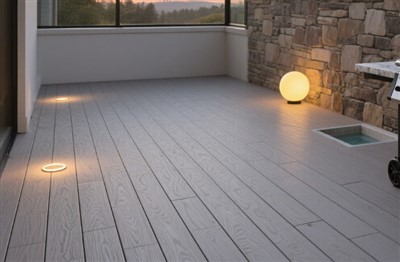
One of the main attractions of Wood Grain SPC Flooring is, of course, its wood - like appearance. It has a realistic wood grain texture that can mimic the look of natural wood floors. Whether you're going for a rustic, traditional, or modern look, Wood Grain SPC Flooring can fit right in.
It's also incredibly waterproof. This makes it a great choice for areas that are prone to moisture, like kitchens, bathrooms, and basements. You don't have to worry about water damage or warping, which is a common problem with real wood floors.
Another advantage is its high resistance to scratches and dents. If you have kids or pets running around, you know how easily floors can get damaged. But with Wood Grain SPC Flooring, it can withstand a lot of wear and tear.
You can check out some of our Decorative Interior SPC Flooring options, which include a variety of wood grain styles to suit different tastes.
What's WPC Flooring?
Now, let's talk about WPC flooring. WPC stands for Wood Plastic Composite. It's made by mixing wood fibers or flour with thermoplastics, usually PVC.
WPC flooring has a softer feel underfoot compared to SPC flooring. It's more flexible and can be a bit more forgiving if you accidentally drop something on it. This makes it a good option for areas where you'll be standing for long periods, like living rooms or offices.
Like SPC flooring, WPC flooring is also waterproof. So, it can be used in wet areas without much concern. It also has a nice wood - like appearance, although the grain patterns might look a bit different from those of Wood Grain SPC Flooring.
However, WPC flooring is generally not as rigid as SPC flooring. This means it might not be as suitable for high - traffic commercial areas. It can also be more expensive than SPC flooring in some cases.
Key Differences
1. Core Composition
The core of Wood Grain SPC Flooring is mainly made of limestone powder and PVC. This gives it a very dense and rigid structure. On the other hand, WPC flooring has a core that contains wood fibers. This makes it more flexible but less rigid than SPC flooring.
2. Rigidity and Stability
SPC flooring is extremely rigid. It can be installed on uneven subfloors without much problem because it doesn't bend easily. WPC flooring, due to its wood fiber content, is more flexible. While this can be an advantage in some situations, it might not be as stable in high - traffic areas.
3. Installation
Wood Grain SPC Flooring is often installed using a click - lock system. It's relatively easy to install, and you can do it yourself if you're handy. WPC flooring can also be installed using a click - lock system, but because of its flexibility, it might require a bit more care during installation to ensure a proper fit.
4. Cost
In general, Wood Grain SPC Flooring is more cost - effective than WPC flooring. The materials used in SPC flooring are more readily available and less expensive to produce. So, if you're on a budget, SPC flooring might be the way to go.
5. Sound Insulation
WPC flooring tends to have better sound - insulation properties than SPC flooring. The wood fibers in WPC flooring can absorb more sound, which can be a plus if you want to reduce noise in your home or office.
Where to Use Each Type of Flooring
Wood Grain SPC Flooring
As I mentioned earlier, Wood Grain SPC Flooring is great for high - traffic areas and wet areas. It's perfect for commercial spaces like shops, restaurants, and offices. In residential settings, it can be used in kitchens, bathrooms, and entryways. You can also use it in basements, where moisture is often a problem.
Check out our Aluminum Honeycomb Wall Panels which can be paired with Wood Grain SPC Flooring to create a cohesive and stylish look in your space.


WPC Flooring
WPC flooring is better suited for areas where you want a softer feel and more sound insulation. It's ideal for living rooms, bedrooms, and home offices. It can also be used in light - traffic commercial areas like small boutiques or private offices.
Conclusion
So, in conclusion, both Wood Grain SPC Flooring and WPC flooring have their own unique features and benefits. If you need a super - durable, rigid, and cost - effective flooring for high - traffic and wet areas, Wood Grain SPC Flooring is a great choice. If you prefer a softer feel, better sound insulation, and don't mind spending a bit more, WPC flooring might be the right option for you.
If you're still not sure which type of flooring is best for your project, feel free to reach out. I'd be more than happy to help you make the right decision. Whether you're a homeowner looking to renovate or a contractor working on a commercial project, we can provide you with high - quality Wood Grain SPC Flooring that meets your needs.
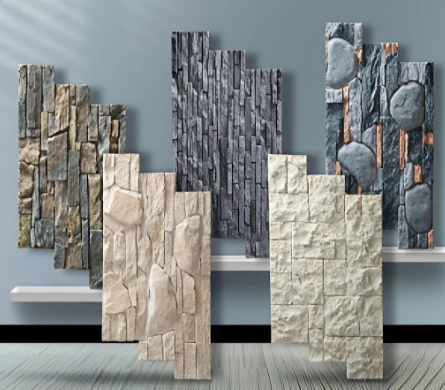
If you want to add some extra flair to your space, you can also consider our Decorative Stereoscopic 3D Wall Panels to complement your flooring.
Don't hesitate to contact us for more information or to start a procurement discussion. We're here to make your flooring selection process as easy as possible.
References
- Flooring Industry Reports
- Product Specifications from Flooring Manufacturers