Hey there! I'm an expert from the WPC flooring supply field, and today I'm gonna spill the beans on the installation pattern for WPC flooring. Whether you're a DIY enthusiast or a professional contractor, understanding these installation methods can make your flooring project a breeze.
Types of WPC Flooring and Their Installation Needs
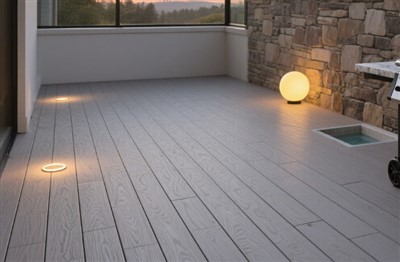
Before we dive into the installation patterns, let's talk a bit about the different types of WPC flooring we offer. We've got Outdoor WPC Flooring which is perfect for decks, patios, and other outdoor spaces. It's designed to withstand the elements, so you don't have to worry about it getting damaged by rain, sun, or even snow.
Then there's Waterproof WPC Flooring, ideal for areas prone to moisture like bathrooms, kitchens, and basements. And if you're looking for a more fire - safe option, our Fire retardant outdoor flooring is a great choice, especially for outdoor entertainment areas.
Installation Patterns
Floating Installation
The floating installation is one of the most popular methods for WPC flooring. It's relatively easy and doesn't require you to nail or glue the planks directly to the subfloor. Here's how it works:

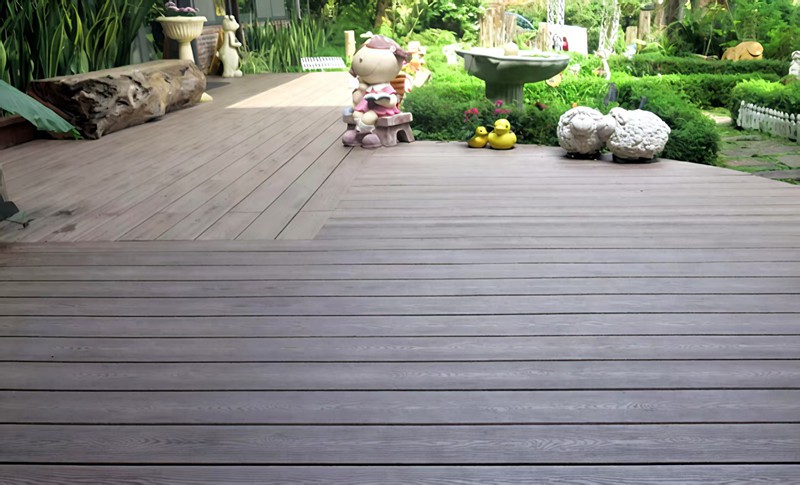
- Prepare the subfloor: Make sure the subfloor is clean, dry, and level. You can use a self - leveling compound to fix any uneven areas. Sweep up any dust and debris, and check for any bumps or dips that could affect the final result.
- Lay the underlayment: An underlayment adds an extra layer of insulation and soundproofing. Roll it out across the subfloor, making sure there are no wrinkles or bubbles. You can tape the seams together to keep it in place.
- Start laying the planks: Begin in a corner of the room. Connect the planks using the click - lock system. Most WPC flooring comes with a tongue - and - groove design that allows you to easily snap the planks together. Make sure the joints are tight to prevent any gaps. As you work your way across the room, use spacers along the walls to create an expansion gap. This gap allows the flooring to expand and contract with temperature and humidity changes.
- Cut the planks: When you reach the end of a row, you'll need to cut the planks to fit. You can use a saw or a utility knife for this. Measure carefully and make sure the cut is straight.
Glue - Down Installation
The glue - down installation provides a more permanent and secure bond between the WPC flooring and the subfloor. This method is often used in high - traffic areas or where a more stable installation is required.
- Prepare the subfloor: Just like with the floating installation, the subfloor needs to be clean, dry, and level. You may need to sand the subfloor to create a rough surface for better glue adhesion.
- Apply the adhesive: Use a trowel to spread the recommended adhesive evenly across the subfloor. Make sure to follow the manufacturer's instructions regarding the type of adhesive and the application rate.
- Lay the planks: Carefully place the planks on the adhesive, starting from one corner of the room. Press the planks firmly into the adhesive to ensure a good bond. Use a roller to eliminate any air bubbles between the plank and the subfloor. Clean up any excess adhesive immediately to prevent it from drying and leaving a mess.
- Let it dry: The adhesive needs time to dry and cure. This can take anywhere from a few hours to a couple of days, depending on the type of adhesive and the environmental conditions. During this time, avoid walking on the newly installed flooring.
Nail - Down Installation
The nail - down installation is less common for WPC flooring compared to the other two methods, but it can still be used in some situations.
- Prepare the subfloor: Again, a clean, dry, and level subfloor is essential. Make sure the subfloor is strong enough to hold the nails.
- Mark the layout: Use a chalk line to mark the layout of the planks on the subfloor. This will help you keep the planks straight and evenly spaced.
- Nail the planks: Use a flooring nailer to drive nails through the tongue of the plank and into the subfloor. Make sure to use the correct nail size and spacing recommended by the manufacturer. Start at one end of the row and work your way across, nailing each plank firmly.
- Finish the edges: When you reach the end of the row or the edge of the room, you may need to cut and shape the planks to fit. Use a saw or other cutting tools as needed.
Tips for a Successful Installation
- Acclimate the flooring: Before installation, let the WPC flooring sit in the room where it will be installed for at least 48 hours. This allows the flooring to adjust to the temperature and humidity of the environment, reducing the risk of expansion or contraction issues later on.
- Use the right tools: Having the proper tools can make the installation process much easier. This includes a saw, measuring tape, trowel, flooring nailer, spacers, and a roller.
- Work in the right conditions: Avoid installing WPC flooring in extreme temperatures or high humidity. Ideal installation conditions are between 60°F and 80°F (15°C and 27°C) with a relative humidity of 30% to 60%.
Why Choose Our WPC Flooring?
We take pride in offering high - quality WPC flooring that is not only beautiful but also durable and easy to install. Our products are made from the finest materials, ensuring long - lasting performance in various environments. Whether you're looking for an outdoor solution or a waterproof option for your indoor spaces, we've got you covered.
If you're interested in purchasing our WPC flooring or have any questions about the installation process, don't hesitate to reach out. We're here to provide you with all the information you need to make an informed decision. Our team of experts can offer you personalized advice and support to ensure your flooring project is a success.
References
- [Some manufacturer's installation guide]
- [Industry research on WPC flooring installation]
- [Personal experience in WPC flooring supply and installation]