As a leading supplier of WPC (Wood-Plastic Composite) wall panels for outdoor use, I often encounter inquiries about the insulation value of our products. Understanding the insulation properties of WPC wall panels is crucial for customers looking to enhance energy efficiency, comfort, and durability in their outdoor spaces. In this blog post, I will delve into the insulation value of WPC wall panels for outdoor applications, exploring the factors that influence it and the benefits it offers.
What is Insulation and Why is it Important for Outdoor Spaces?
Insulation refers to the ability of a material to resist the transfer of heat. In outdoor settings, insulation plays a vital role in maintaining a comfortable temperature inside buildings and structures. By reducing heat transfer, insulation helps to keep indoor spaces cool in the summer and warm in the winter, thereby reducing energy consumption and costs. Additionally, insulation can also improve the acoustic performance of a space by reducing noise transmission.
The Insulation Value of WPC Wall Panels
WPC wall panels are known for their excellent insulation properties, making them an ideal choice for outdoor applications. The insulation value of a material is typically measured by its R-value, which represents the material's resistance to heat flow. The higher the R-value, the better the insulation.
WPC wall panels have a relatively high R-value compared to other common building materials, such as wood and concrete. This is due to the unique composition of WPC, which combines wood fibers and plastic polymers. The wood fibers in WPC act as natural insulators, while the plastic polymers provide additional structural support and moisture resistance.
The insulation value of WPC wall panels can vary depending on several factors, including the thickness of the panels, the density of the material, and the type of wood fibers used. Generally, thicker panels and panels with a higher density will have a higher R-value. Additionally, panels made with high-quality wood fibers, such as bamboo or hardwood, may also have better insulation properties.
Factors Affecting the Insulation Value of WPC Wall Panels
1. Thickness
The thickness of WPC wall panels is one of the most significant factors affecting their insulation value. Thicker panels have a greater resistance to heat flow, as there is more material to slow down the transfer of heat. When selecting WPC wall panels for outdoor use, it is important to consider the climate and the specific insulation requirements of the project. In colder climates, thicker panels may be necessary to achieve the desired level of insulation.
2. Density
The density of WPC wall panels also plays a role in their insulation value. Higher density panels typically have a higher R-value, as they contain more material per unit volume. However, it is important to note that increasing the density of WPC panels may also increase their weight and cost. Therefore, it is essential to strike a balance between density, insulation performance, and cost when selecting WPC wall panels.
3. Wood Fiber Content
The type and amount of wood fibers used in WPC wall panels can also affect their insulation value. Different types of wood fibers have different insulation properties, with some woods being more insulating than others. For example, bamboo fibers are known for their excellent insulation properties, making them a popular choice for WPC wall panels. Additionally, increasing the wood fiber content in WPC panels can also improve their insulation performance.
4. Installation Method
The installation method of WPC wall panels can also impact their insulation value. Proper installation is crucial to ensure that there are no gaps or voids in the paneling, which can allow heat to escape. It is recommended to use a professional installer who is experienced in installing WPC wall panels to ensure a proper and airtight installation.
Benefits of Using WPC Wall Panels for Outdoor Insulation
1. Energy Efficiency
One of the primary benefits of using WPC wall panels for outdoor insulation is their energy efficiency. By reducing heat transfer, WPC wall panels can help to lower energy consumption and costs. This is especially important in regions with extreme climates, where heating and cooling costs can be significant.
2. Comfort
In addition to energy efficiency, WPC wall panels can also improve the comfort of outdoor spaces. By maintaining a more consistent temperature, WPC wall panels can help to reduce drafts and hot spots, creating a more comfortable environment for occupants.
3. Durability
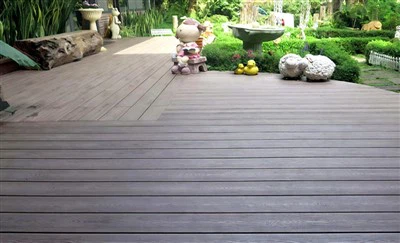
WPC wall panels are highly durable and resistant to moisture, rot, and insects. This makes them an ideal choice for outdoor applications, where they are exposed to the elements. Unlike traditional wood panels, WPC wall panels do not require regular maintenance, such as painting or staining, which can save time and money in the long run.
4. Aesthetics
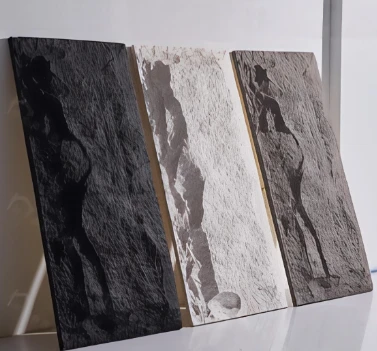
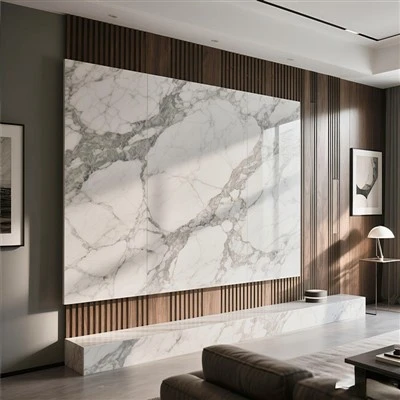
WPC wall panels are available in a wide range of colors, textures, and styles, allowing you to create a customized look for your outdoor space. Whether you prefer a natural wood look or a more modern aesthetic, there is a WPC wall panel option to suit your needs.


Our WPC Wall Panel Products
As a supplier of WPC wall panels for outdoor use, we offer a wide range of products to meet the diverse needs of our customers. Our Fire-rated WPC Wall Panel is designed to provide enhanced fire protection, making it an ideal choice for applications where fire safety is a concern. Our Waterproof WPC Wall Panel is highly resistant to moisture, making it suitable for use in wet or humid environments. And our Wear-resistant WPC Wall Panels are designed to withstand heavy traffic and abrasion, making them a great choice for high-traffic areas.
Conclusion
In conclusion, the insulation value of WPC wall panels for outdoor use is an important consideration for anyone looking to enhance the energy efficiency, comfort, and durability of their outdoor spaces. WPC wall panels offer a number of benefits, including high insulation performance, energy efficiency, comfort, durability, and aesthetics. By understanding the factors that affect the insulation value of WPC wall panels and choosing the right product for your project, you can ensure that you achieve the desired level of insulation and performance.
If you are interested in learning more about our WPC wall panel products or would like to discuss your specific insulation needs, please do not hesitate to contact us. We would be happy to provide you with more information and assist you in selecting the right WPC wall panels for your project.
References
- ASTM International. (2023). Standard Test Method for Steady-State Thermal Transmission Properties by Means of the Heat Flow Meter Apparatus. ASTM C518.
- Building Science Corporation. (2023). Insulation Basics. Retrieved from https://www.buildingscience.com/resources/insulation-basics
- National Renewable Energy Laboratory. (2023). Energy Efficiency in Buildings. Retrieved from https://www.nrel.gov/buildings/energy-efficiency.html