As a supplier of PU stone panels, I am often asked about the material composition of these versatile and popular building materials. In this blog post, I will delve into the science behind PU stone panels, exploring their components, properties, and advantages.
The Basics of PU Stone Panels
PU, or polyurethane, is a type of polymer that has been widely used in various industries for its excellent mechanical properties, chemical resistance, and versatility. When it comes to PU stone panels, the material is engineered to mimic the appearance and texture of natural stone while offering several advantages over traditional stone products.
The Composition of PU Stone Panels
PU stone panels are typically composed of a combination of polyurethane resin, fillers, pigments, and additives. Each component plays a crucial role in determining the panel's properties and performance.
Polyurethane Resin
The polyurethane resin is the primary component of PU stone panels. It provides the panel with its strength, flexibility, and durability. The resin is typically a two-component system, consisting of a polyol and an isocyanate. When these two components are mixed together, a chemical reaction occurs, resulting in the formation of a solid polyurethane polymer.
The type of polyurethane resin used in PU stone panels can vary depending on the specific application and desired properties. For example, some resins are formulated to be more flexible, making them suitable for curved or irregular surfaces. Others are designed to be more rigid, providing better support and stability for larger panels.
Fillers
Fillers are added to the polyurethane resin to improve the panel's mechanical properties, reduce costs, and enhance its fire resistance. Common fillers used in PU stone panels include calcium carbonate, talc, and glass fibers.
Calcium carbonate is a widely used filler in the production of PU stone panels. It is inexpensive, readily available, and has a high density, which helps to increase the panel's weight and stability. Talc is another popular filler that is known for its lubricating properties, which can improve the panel's workability and reduce friction during processing.
Glass fibers are often added to PU stone panels to enhance their strength and stiffness. They can also improve the panel's resistance to impact and cracking. The addition of glass fibers can significantly increase the panel's performance, making it suitable for more demanding applications.
Pigments
Pigments are used to give PU stone panels their color and appearance. They can be added to the polyurethane resin during the manufacturing process to create a wide range of colors and finishes. The type of pigment used can vary depending on the desired color and durability.
Some pigments are formulated to be UV-resistant, which helps to prevent the panel's color from fading over time. Others are designed to be more heat-resistant, making them suitable for outdoor applications where the panel may be exposed to high temperatures.
Additives
Additives are added to the polyurethane resin to improve the panel's performance and processing characteristics. Common additives used in PU stone panels include catalysts, stabilizers, and flame retardants.
Catalysts are used to speed up the chemical reaction between the polyol and isocyanate, reducing the curing time of the polyurethane resin. Stabilizers are added to prevent the resin from degrading over time, ensuring the panel's long-term performance. Flame retardants are used to improve the panel's fire resistance, making it suitable for use in buildings where fire safety is a concern.
Advantages of PU Stone Panels
PU stone panels offer several advantages over traditional stone products, making them a popular choice for a wide range of applications.
Lightweight
One of the main advantages of PU stone panels is their lightweight nature. Compared to natural stone, PU stone panels are significantly lighter, making them easier to handle, transport, and install. This can result in lower installation costs and reduced labor requirements.
Easy to Install
PU stone panels are designed to be easy to install, even for DIY enthusiasts. They can be cut, drilled, and shaped using standard tools, making them suitable for a variety of applications. Additionally, PU stone panels can be installed using a variety of methods, including adhesive bonding, mechanical fastening, and drywall installation.

Versatile
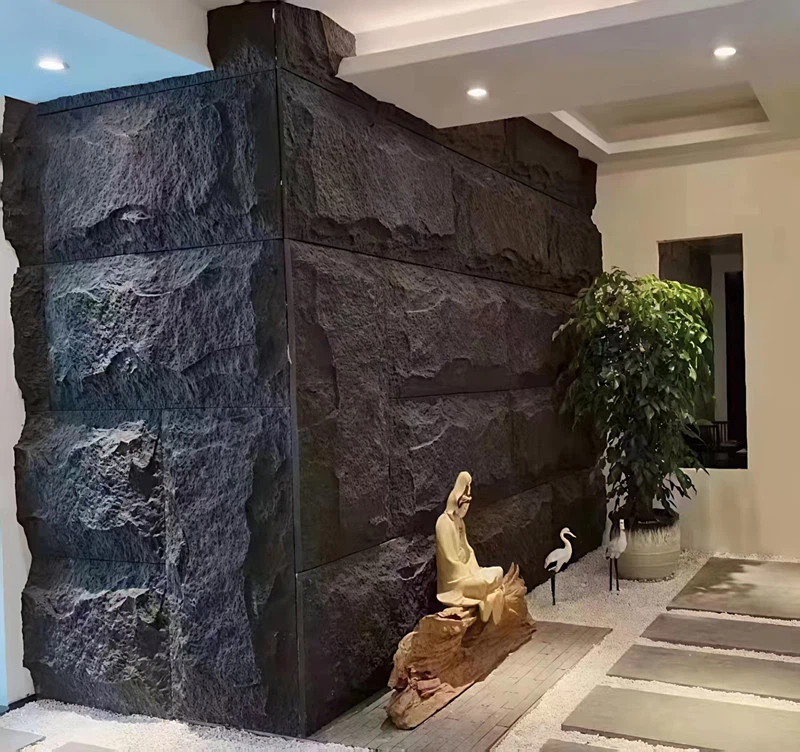
PU stone panels are available in a wide range of colors, textures, and sizes, making them suitable for a variety of applications. They can be used to create a natural stone look on interior and exterior walls, floors, and ceilings. They can also be used to create decorative features such as columns, arches, and fireplace surrounds.
Durable
PU stone panels are highly durable and resistant to wear, tear, and weathering. They can withstand extreme temperatures, humidity, and UV radiation, making them suitable for both indoor and outdoor applications. Additionally, PU stone panels are resistant to stains, scratches, and chemicals, making them easy to clean and maintain.
Cost-Effective
PU stone panels are a cost-effective alternative to natural stone. They are typically less expensive to purchase and install than natural stone, making them a popular choice for budget-conscious homeowners and contractors.
Applications of PU Stone Panels
PU stone panels can be used in a wide range of applications, including:
Interior Walls
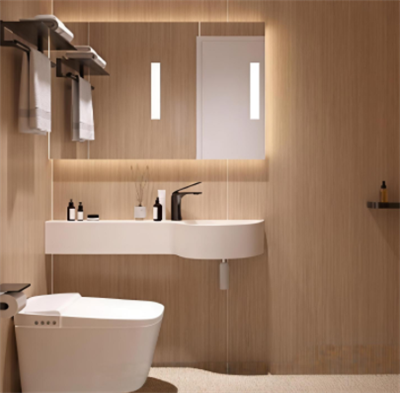
PU stone panels can be used to create a natural stone look on interior walls. They can be installed in living rooms, bedrooms, kitchens, and bathrooms, adding a touch of elegance and sophistication to any space.
Exterior Walls
PU stone panels are also suitable for use on exterior walls. They can be used to create a natural stone facade on residential and commercial buildings, enhancing their curb appeal and value.
Floors
PU stone panels can be used to create a durable and attractive floor surface. They are available in a variety of sizes and colors, making them suitable for both residential and commercial applications.
Fireplace Surrounds
PU stone panels are a popular choice for fireplace surrounds. They can be used to create a natural stone look around the fireplace, adding warmth and character to the room.
Decorative Features
PU stone panels can be used to create a variety of decorative features, such as columns, arches, and moldings. They can be used to add a touch of elegance and sophistication to any space.
Conclusion
PU stone panels are a versatile and cost-effective alternative to natural stone. They are composed of a combination of polyurethane resin, fillers, pigments, and additives, which give them their strength, durability, and attractive appearance. With their lightweight nature, easy installation, and wide range of applications, PU stone panels are a popular choice for homeowners, contractors, and designers alike.
If you are interested in learning more about our Waterproof PU Stone Panel, PU Feather Stone, or PU Mushroom Stone, please feel free to contact us to discuss your specific requirements and explore the possibilities of incorporating these high-quality products into your next project.
References
- "Polyurethane: Chemistry and Technology" by J.H. Saunders and K.C. Frisch
- "Handbook of Fillers for Plastics" by H.S. Katz and J.V. Milewski
- "Pigments for Plastics" by G. Buxbaum and G. Pfaff