Hey there! As a supplier of SPC flooring, I often get asked about the slip - resistance rating of SPC flooring. It's a crucial factor, especially when it comes to safety, whether it's in a home, commercial space, or a public area. So, let's dive right in and explore what this rating is all about.
First off, what is SPC flooring? SPC stands for Stone Plastic Composite. It's a type of rigid core vinyl flooring that has gained a lot of popularity in recent years. It's known for its durability, water - resistance, and ease of installation. But when it comes to walking on it, especially in areas where there might be moisture, the slip - resistance is super important.
The slip - resistance rating of SPC flooring is a measure of how well the floor can prevent slips and falls. This rating is determined through various tests. One of the most common tests is the Pendulum Test. In this test, a pendulum with a rubber slider is swung across the floor surface. The amount of friction between the rubber slider and the floor is measured, and this measurement is used to assign a slip - resistance rating.
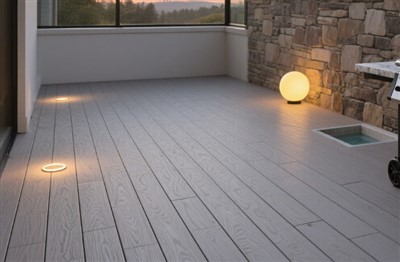
There are different levels of slip - resistance ratings. For example, a rating of R9 is considered suitable for dry areas, like normal living rooms or offices. Floors with an R9 rating have a relatively low level of slip - resistance because they're designed for environments where there's little to no moisture. If you're looking to install SPC flooring in a dry area of your home, an R9 rated SPC flooring would do the job just fine. You can check out our Wood Grain SPC Flooring, which comes in various R9 rated options, giving you that beautiful wood look without the hassle of maintaining real wood.
On the other hand, if you're dealing with areas that are likely to get wet, like bathrooms, kitchens, or commercial kitchens, you'll need a higher slip - resistance rating. Ratings like R10, R11, or even higher are more appropriate for these areas. An R10 rated SPC flooring offers better grip in slightly damp conditions, while an R11 rated floor is even more slip - resistant and can handle more moisture. Our Eco - friendly SPC Flooring comes in different slip - resistance ratings, including options suitable for wet areas. It's not only good for preventing slips but also for the environment!
In commercial settings, especially places like restaurants, hospitals, and public swimming pools, slip - resistance is a legal requirement. Floors need to meet certain standards to ensure the safety of the public. For these high - traffic and high - moisture areas, you might need SPC flooring with an even higher slip - resistance rating, like R12 or R13. Our Fire - rated SPC Flooring also comes with different slip - resistance options, so you can have both fire safety and good grip on the floor.


Now, you might be wondering how the manufacturers achieve different slip - resistance ratings. Well, there are a few ways. One common method is to add special textures to the surface of the SPC flooring. These textures can be microscopic bumps or grooves that increase the friction between the floor and the shoes or feet walking on it. Another way is to use special coatings. These coatings can be applied during the manufacturing process to enhance the slip - resistance of the floor.
It's also important to note that the slip - resistance of SPC flooring can be affected by other factors. For example, the cleanliness of the floor plays a big role. If the floor is dirty or has a layer of grease or soap on it, the slip - resistance can be significantly reduced. Regular cleaning and maintenance are essential to keep the slip - resistance at its best. Also, the type of footwear matters. Smooth - soled shoes might have less grip on the floor compared to shoes with textured soles.
When choosing SPC flooring based on its slip - resistance rating, you need to consider the specific needs of the area where you're going to install it. Think about how often the area will get wet, how much foot traffic it will have, and what kind of activities will take place there. If you're not sure which rating is right for you, don't hesitate to reach out to us. We've got a team of experts who can help you make the best decision.
In conclusion, the slip - resistance rating of SPC flooring is a vital aspect to consider when purchasing this type of flooring. It can make a huge difference in terms of safety, especially in areas prone to moisture. Whether you need a low - rated floor for a dry area or a high - rated floor for a wet and high - traffic commercial space, we've got you covered.
If you're interested in purchasing SPC flooring for your project, we'd love to have a chat with you. Just get in touch, and we can discuss your specific requirements, go over the different slip - resistance ratings, and find the perfect SPC flooring for you.
References
- Pendulum Test for Slip Resistance: ASTM International Standards
- SPC Flooring Industry Guidelines for Slip Resistance Ratings